How AI is Changing Supply Chain Traceability
How AI in supply chain traceability works: real-time unit tracking, predictive quality control, automated analysis and shared visibility, plus the challenges.
By Abhijeet Kumar, ARVOPublished Updated 6 min read
In short
AI makes supply chain traceability deeper and faster. It analyses data from sensors, code scans, ERP systems and IoT devices to track products by individual unit rather than batch, predict quality failures before they happen, automate analysis and compliance documentation, and give procurement, logistics and compliance teams the same real-time view.
- Traditional traceability relies on paper, siloed databases and manual work, which causes delays, errors and blind spots.
- AI turns scans and sensor pings into a live traceability map, so missing or delayed items show up in real time.
- Predictive models use environmental, supplier and machine data to flag quality failures before they become recalls.
- Walmart, Siemens and UPS use AI for stock and defect tracing, unit-level visual inspection with predictive maintenance, and delivery routing.
- Adoption takes investment, good-quality data, training and proper data governance.
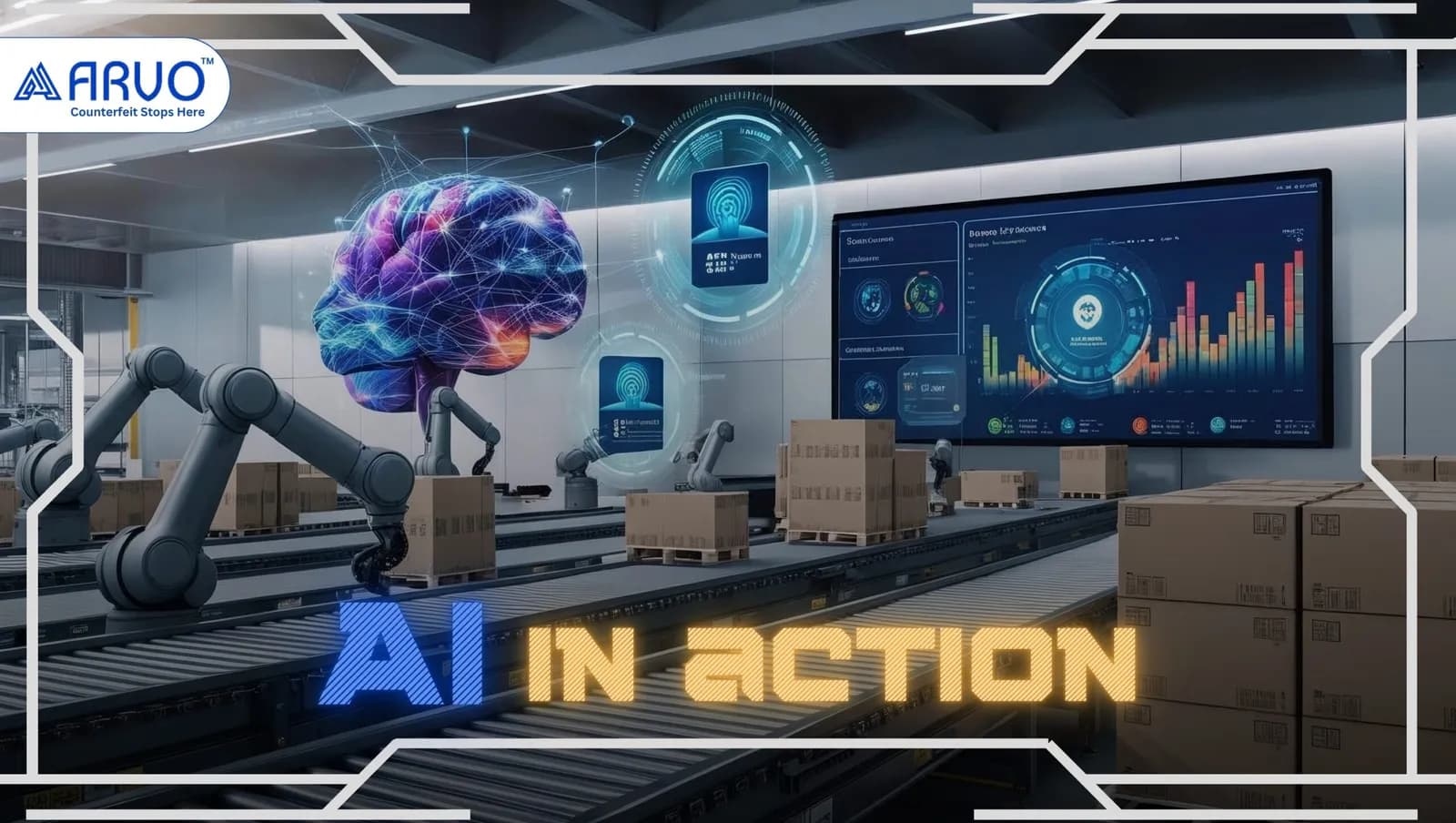
In today’s fast-moving and highly connected world, AI in supply chains are expected to do more than just move products efficiently. They need to be transparent so that every step of the product journey can be seen.
They must be flexible enough to adapt to changes and resilient enough to handle disruptions, whether it’s a supplier delay, a quality issue, or an unexpected spike in demand.
However, many traditional traceability systems weren’t built for this level of complexity. They often rely on outdated tools, siloed data, and manual processes that make it hard to track what’s happening in real time.
As a result, companies may struggle to spot problems early, respond quickly, or understand where exactly a failure has occurred in the supply chain.
That’s why Artificial Intelligence (AI) is becoming a game changer. AI gives companies the ability to trace products at a much deeper level, not just by batch but by individual unit. It can analyze huge amounts of data from sensors, QR scans, and inventory systems to detect issues, predict risks, and improve decisions.
It can also automate repetitive tasks such as quality checks and reporting, which saves time and reduces human error.
What is Supply Chain Traceability?
Supply chain traceability refers to the ability to track the movement and status of a product throughout its entire journey, from raw materials to the finished product reaching the customer. In highly regulated or quality-sensitive industries such as pharmaceuticals, automotive, and electronics, traceability isn’t optional, it’s a fundamental requirement.
Effective traceability ensures:
- Product Safety: Faulty or unsafe products can be identified and removed quickly.
- Quality Control: Continuous monitoring helps maintain consistency across manufacturing lines.
- Regulatory Compliance: Companies meet industry and government standards with confidence.
- Operational Efficiency: Teams gain visibility into delays, defects, and supply bottlenecks.
- Customer Trust: Clear product histories support ethical sourcing and transparent labeling.
But traditional methods, often paper-based or reliant on siloed databases, are prone to delays, errors, and blind spots. This is where AI steps in.
How AI Enhances Supply Chain Traceability
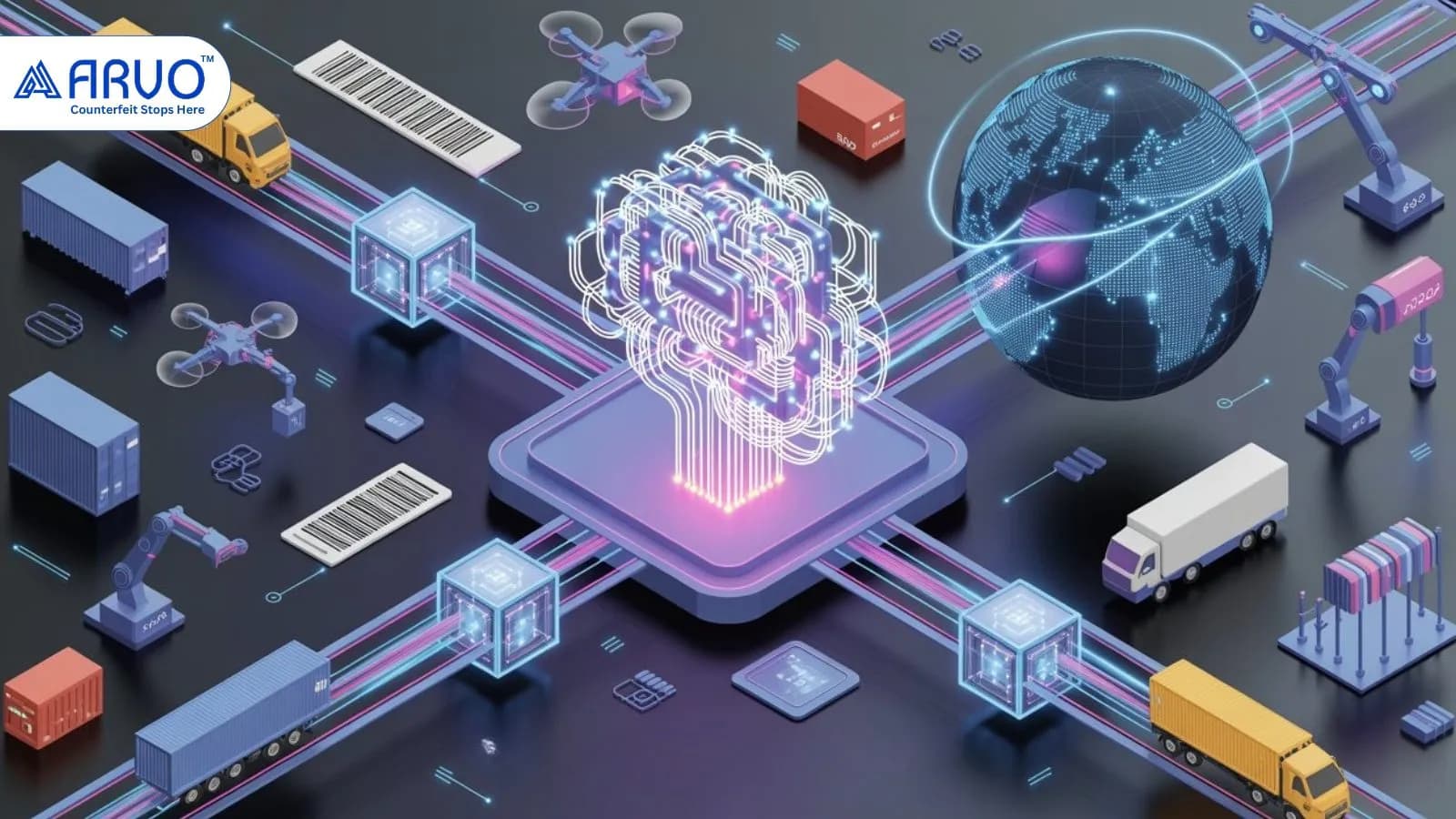
AI acts as the digital brain of modern supply chains. It processes massive amounts of data from various sources, such as sensors, QR code scans, ERP systems, and IoT devices, and turns them into actionable insights.
1. Real-Time Product Tracking
AI-powered systems can monitor and log each step a product takes. From assembly lines to warehouse shelves and delivery routes, every scan or sensor ping feeds into a dynamic traceability map.
- Gain instant visibility into where a product is
- Detect missing or delayed items in real-time
- Reduce errors from manual data entry
2. Predictive Quality Control
Instead of reacting to defects after they occur, AI models can predict when and where failures are likely to happen based on data patterns, such as environmental conditions, supplier performance, or machine behavior.
- Flag anomalies before they escalate
- Prevent recalls and reduce waste
- Improve first-time quality rates
3. Automated Data Analysis
Supply chains generate an overwhelming volume of data. AI helps sort, analyze, and interpret this information much faster than humans ever could.
- Identify process bottlenecks and inefficiencies
- Optimize production schedules and routes
- Automate compliance documentation
4. Enhanced Visibility Across Stakeholders
With AI acting as a central intelligence layer, different teams, from procurement to logistics to compliance, can access the same real-time insights.
- Break down data silos between departments
- Improve cross-functional collaboration
- Make faster, aligned decisions
Benefits of AI-Powered Traceability
Implementing AI in your traceability systems isn’t just a tech investment; it’s a competitive advantage.
- Increased Accuracy: Reduce reliance on manual entries and outdated reports. AI delivers real-time data capture with far fewer errors.
- Faster Response to Issues: Detect and resolve problems before they reach the customer, minimizing damage, returns, and downtime.
- Greater Operational Efficiency: Automate repetitive tasks, reduce delays, and improve throughput across all stages of the supply chain.
- Regulatory Confidence: AI helps track and store the complete product journey, simplifying audits and compliance checks.
- Customer Loyalty: Consumers value transparency. Traceable, well-documented product histories build trust and loyalty, especially in sensitive industries like pharma, food, and automotive.
Challenges to Consider
Like any powerful technology, AI implementation comes with its own set of considerations:
- Initial Investment: Setting up AI systems may require capital and expertise, especially in integrating with legacy platforms.
- Data Infrastructure: AI is only as good as the data it gets. Poor-quality or inconsistent data can reduce effectiveness.
- Change Management: Employees and partners may need training to use AI insights effectively.
- Privacy and Ethics: As AI handles sensitive operational data, organizations must ensure proper data governance and transparency.
Walmart
AI is used by Walmart to monitor stock levels, identify demand surges, and trace defective produce batches back to specific farms. This drastically cuts waste and improves recall response time.
Siemens
In its manufacturing plants, Siemens uses AI to track every unit with visual inspection systems and predictive maintenance alerts, helping them maintain high-quality output with fewer disruptions.
UPS
UPS leverages AI to optimize delivery routes and predict shipment delays, while maintaining real-time traceability from origin to doorstep.
Why Choose ARVO
At ARVO, we understand that adopting AI-powered traceability comes with real challenges, including integration complexity, data quality issues, user adoption, and compliance concerns. Our platform is designed to make implementation practical, secure, and scalable across your supply chain.
Here’s how ARVO addresses each of these concerns:
- Rapid and Low-Disruption Implementation Our modular platform integrates smoothly with existing ERP, MES, and manufacturing systems. This reduces setup time, minimizes operational interruptions, and lowers initial investment costs.
- High-Quality and Actionable Data ARVO’s data engine validates and standardizes input from QR scans, IoT sensors, and production systems. This ensures AI models receive clean, consistent information for accurate insights.
- Easy for Business Teams to Use The platform features intuitive dashboards, real-time alerts, and user-friendly interfaces that make it easy for operations, quality, and supply chain teams to act on insights without needing technical expertise.
- Secure, Compliant, and Transparent ARVO offers tamper-proof digital audit trails, detailed access controls, and a compliance-ready infrastructure. Your traceability data remains protected and trustworthy at every stage.
ARVO is more than just a software platform. We are a traceability partner helping your business build clarity, control, and confidence across every layer of the supply chain.
Questions answered in this article
- How does AI improve supply chain decision-making?
- AI analyses real-time and historical data to detect trends, predict issues and suggest the best action, so teams across operations can decide faster and with better information.
- Can AI replace people in supply chain traceability?
- No. AI is meant to support human decisions. It automates tedious, repetitive tasks such as data entry, quality checks and reporting so teams can focus on solving problems.
- Is it costly to implement AI in supply chains?
- There is an upfront investment, and integrating with legacy platforms needs expertise. Companies often see a return through less waste, better quality and higher customer satisfaction.
- Which industries benefit most from AI-powered traceability?
- Industries where product safety, compliance or quality is critical, such as pharmaceuticals, electronics, automotive and food.
- How does ARVO support AI-powered traceability?
- ARVO's modular platform integrates with existing ERP, MES and manufacturing systems, validates data from code scans, IoT sensors and production systems, and gives teams dashboards and real-time alerts. It adds tamper-proof digital audit trails and access controls, with implementation support and training.
Sources
- What is ERP?, SAP
- Walmart's AI-powered inventory system brightens the holidays, Walmart Global Tech
- Senseye Predictive Maintenance, Siemens
- How UPS leverages AI to level up logistics, Interactions