Counterfeit Goods in America: A Growing Threat to Businesses and Consumers
Counterfeit goods cost the US over $131 billion a year, per DHS figures. See who is hit, the safety risks and how to keep fakes out of supply chains.
By Abhijeet Kumar, ARVOPublished Updated 5 min read
In short
Counterfeit goods cost the United States more than $131 billion a year, according to Department of Homeland Security figures, along with lost jobs and tax revenue. Fakes now reach medicines, electronics, cosmetics and auto parts. Businesses keep them out by vetting suppliers, authenticating products, mapping their supply chain, auditing and working with authorities.
- According to the Department of Homeland Security, counterfeit goods cost the US more than $131 billion a year.
- Counterfeiting has moved from luxury knock-offs to medicines, electronics, cosmetics, auto parts and even aircraft parts.
- Fake medicines, electronics, cosmetics and auto parts put consumers' health and safety at risk, not just brand revenue.
- Prevention combines supplier screening, product authentication, supply chain mapping, audits, staff training and work with authorities.
- Laws such as the Trademark Counterfeiting Act of 1984 help, but enforcement needs manufacturers and retailers to take part.
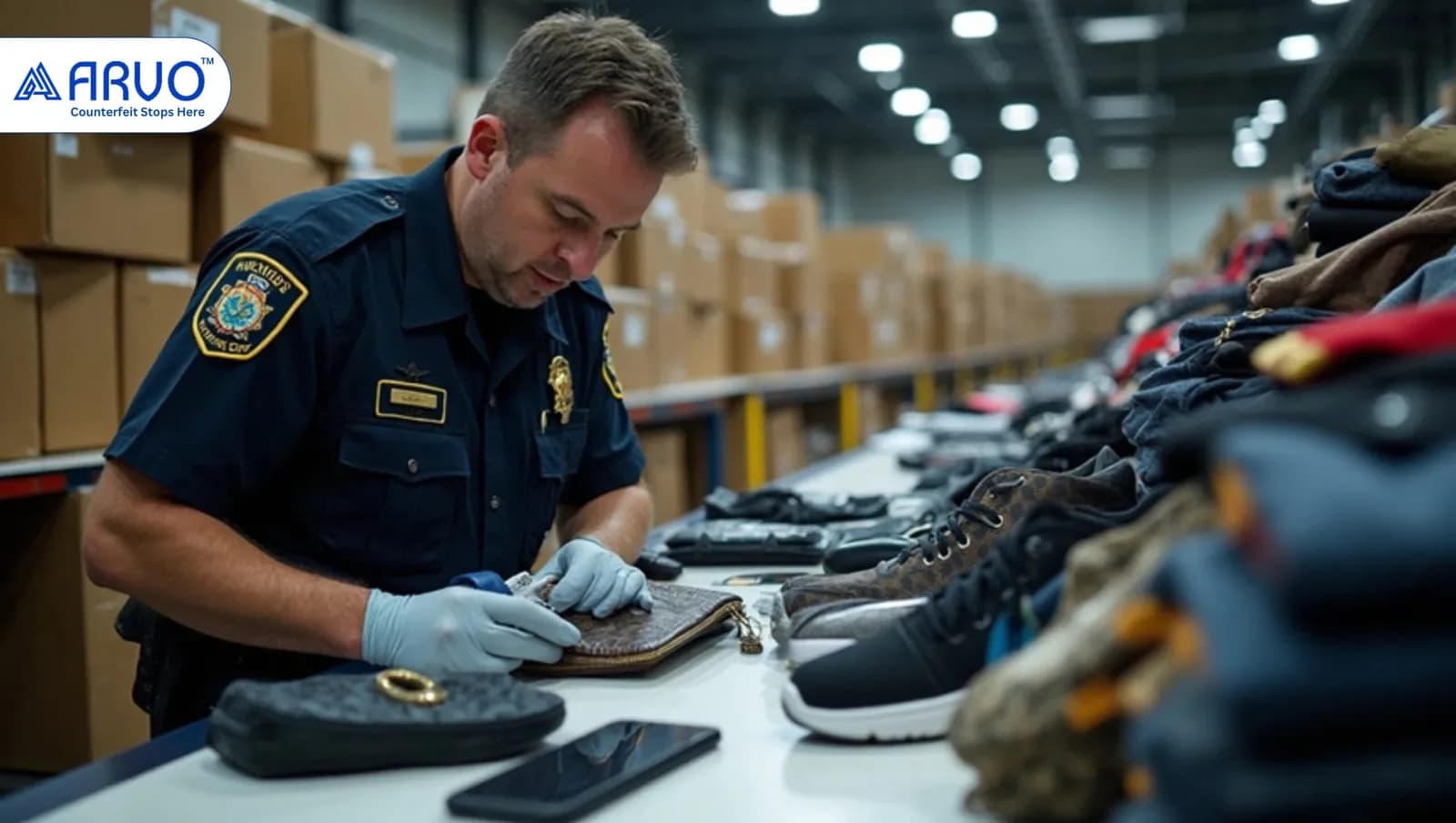
Counterfeit goods in America have evolved from street-corner scams into a high-tech, global enterprise that touches nearly every industry in America. What was once limited to imitation luxury handbags or pirated DVDs is now a sophisticated criminal economy dealing in everything from pharmaceuticals to aircraft parts. This alarming growth not only compromises consumer safety but also drains billions of dollars from legitimate businesses and the broader U.S. economy.
As the global market for counterfeit goods is projected to exceed $1.79 trillion by 2030, the United States, home to some of the world’s most valuable brands, finds itself under siege. Addressing this crisis is no longer optional. It is a national economic and public safety imperative.
The Impact of Counterfeit Products on the US Economy
The impact of counterfeit products on the US economy is widespread, persistent, and multifaceted. According to the Department of Homeland Security, counterfeit goods cost the U.S. over $131 billion annually, with downstream effects including:
- Job losses exceeding 325,000 due to reduced revenues and market share for authentic businesses
- Tax revenue losses of nearly $10 billion across federal, state, and local levels
- A diminished incentive for innovation and investment in research and development
- Rising costs for businesses forced to implement expensive anti-counterfeiting measures
Industries hit the hardest include pharmaceuticals, electronics, apparel, and automotive. However, even sectors like agriculture and aerospace are increasingly exposed to counterfeit parts and inputs. The economic damage caused is not confined to direct losses, it also includes long-term erosion of brand trust and reputation.
Moreover, counterfeiting operations are often linked to organized crime, money laundering, and labor exploitation, which impose additional social and law enforcement costs on the nation.
Consumer Safety and Public Health at Risk
Beyond economic concerns, counterfeit goods present an insidious risk to public health and safety. Consumers often unknowingly purchase products that are ineffective, defective, or downright dangerous.
Examples include:
- Counterfeit medications lacking active ingredients, potentially delaying or preventing effective treatment
- Fake electronics that pose fire or electrocution hazards due to poor manufacturing
- Imitation cosmetics contain untested, harmful chemicals that can cause rashes, infections, or worse
- Substandard auto parts that fail under stress endanger drivers and passengers alike
According to the Federal Trade Commission, consumer fraud losses in 2023 reached $12.5 billion. As counterfeiters exploit the anonymity and scale of online marketplaces, consumer exposure continues to grow.
Preventing Counterfeit Goods in American Supply Chains
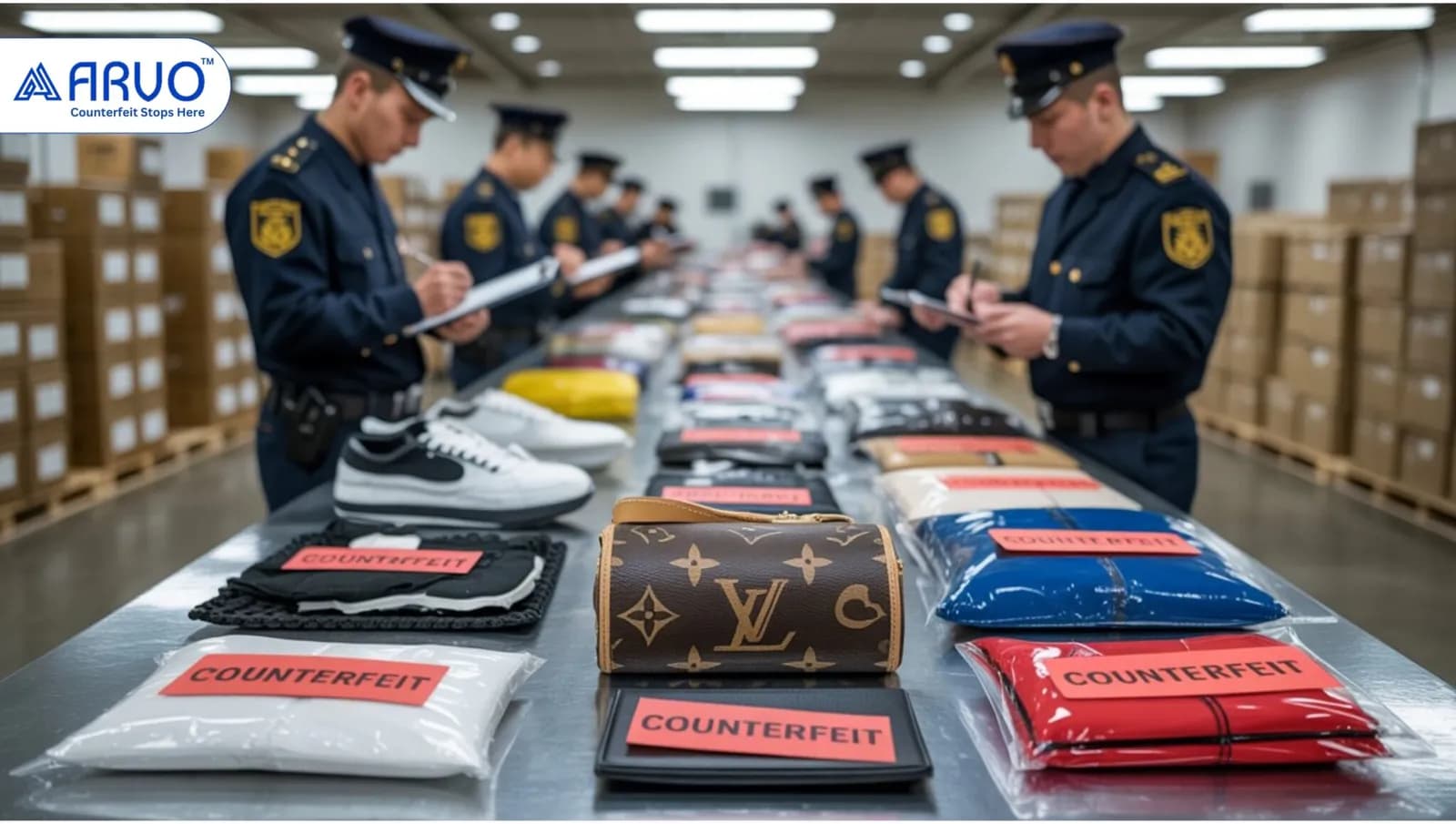
Effective supply chain security is the frontline defense against counterfeit infiltration. Preventing counterfeit goods in American supply chains requires businesses to adopt a proactive, end-to-end strategy.
1. Supplier Screening and Verification
Thoroughly vet all suppliers using background checks, documentation reviews, and certifications. Maintain a database of verified vendors and flag high-risk suppliers for additional scrutiny.
2. Advanced Product Authentication
Use technologies like holographic seals, RFID tags, QR codes, and blockchain to verify product authenticity from production to point of sale.
3. Supply Chain Mapping
Understand where your products originate and pass through. This visibility enables companies to identify weak points where counterfeit goods might enter.
4. Ongoing Audits and Spot Testing
Routine inspections, random product testing, and site visits can uncover irregularities before they become public issues.
5. Training and Awareness
Educate procurement officers, warehouse teams, and retailers about the signs of counterfeiting. Equip your workforce to act quickly on potential red flags.
6. Collaboration with Authorities
Develop relationships with Customs and Border Protection, Homeland Security Investigations, and local agencies. Quick reporting and cooperation can result in swift action.
Companies that adopt these strategies significantly reduce their risk, protect their brand value, and demonstrate a commitment to consumer safety.
What the Government Is Doing
The U.S. government has implemented a variety of measures aimed at reducing the threat posed by counterfeit goods, including:
- The Trademark Counterfeiting Act of 1984 provides criminal penalties for trafficking in counterfeit items
- Operation In Our Sites: A targeted enforcement campaign shutting down websites selling illegal goods
- The SHOP SAFE Act (proposed): Would make online marketplaces more accountable for counterfeit sales by requiring seller verification and stronger content moderation
However, legislation and law enforcement can only go so far. Without the active participation of manufacturers, retailers, and technology providers, these efforts cannot fully succeed.
How Arvo Can Help
At ARVO, we equip businesses with the tools they need to protect their supply chains, brands, and customers. We specialize in integrated anti-counterfeit solutions, offering:
- Digital Product Passports: We create comprehensive Digital Product Passports that assign a unique digital identity to each product. This passport stores all the data of the product on the blockchain, making it tamper-proof and secure, and offers consumers detailed insights into the product’s origin and journey.
- Anti-Counterfeiting Solutions: Utilizing copy-proof NOVA codes, we help protect your products against counterfeiting, maintaining their integrity throughout the supply chain.
- End-to-End Traceability: By leveraging blockchain technology, we provide a transparent and immutable record of your product’s journey from manufacturing to the end consumer, ensuring complete end-to-end traceability.
Whether you operate in consumer goods, automotive, or fashion, ARVO tailors solutions to match your risk profile and regulatory requirements.
Need to secure your supply chain against counterfeit threats? Take action today. Reach us at info@onearvoventures.com or contact ARVO to get started.
Conclusion
The counterfeit goods crisis is more than just an intellectual property issue, it’s a national economic and public safety challenge. The impact of counterfeit products on the US economy includes massive financial losses, job displacement, and brand erosion.
Equally important is the urgent task of preventing counterfeit goods in American supply chains, which requires strategic planning, technological adoption, and cross-sector collaboration.
With ARVO, your business can stay ahead of counterfeit threats while building consumer confidence and long-term resilience.
Questions answered in this article
- How big is the impact of counterfeit products on the US economy?
- Counterfeit goods cost the US economy more than $131 billion a year, according to the Department of Homeland Security, with knock-on effects in lost jobs and lost tax revenue at federal, state and local level.
- Why is it hard to keep counterfeits out of American supply chains?
- Complex global sourcing, third-party logistics, poor visibility and unvetted suppliers all create gaps that counterfeiters exploit.
- Which industries are most at risk from counterfeit goods in America?
- Pharmaceuticals, electronics, automotive, apparel and fashion, and consumer goods face the highest exposure because of high demand and profit potential. Agriculture and aerospace are increasingly exposed to counterfeit parts and inputs too.
- What technology helps detect counterfeit goods?
- RFID tags, QR codes, blockchain records and AI-driven monitoring help authenticate products and trace them from production to the point of sale.
- How can consumers protect themselves from counterfeit goods?
- Buy only from authorised sellers, check the packaging, look for tamper-evident seals, and report suspicious items to the appropriate authorities.
Sources
- Counterfeit goods a growing problem, Supply Chain Digest