Invisible Watermarking Solution: The Future of Anti-Counterfeiting Technology in Packaging
Invisible watermarking hides scannable data in packaging that counterfeiters cannot see or easily copy. Learn how it works, its benefits and where it is used.
By Abhijeet Kumar, ARVOPublished Updated 4 min read
In short
Invisible watermarking embeds imperceptible data into packaging elements such as logos, labels or materials, using special inks or digital imaging. The mark cannot be seen with the naked eye but is detected by brand-authorised scanners or apps, so counterfeiters struggle to find or copy it, and the packaging design stays unchanged.
- Invisible watermarks are hidden in logos, labels or packaging materials and cannot be seen with the naked eye.
- They are usually applied with UV-reactive, IR-responsive or other specialised inks and read with brand-authorised scanners or apps.
- Because the mark is hidden, counterfeiters find it hard to detect, reproduce or remove.
- The watermark leaves the packaging design untouched, which suits premium and luxury products.
- Pharmaceuticals, luxury goods, consumer electronics and food and beverages are leading users.
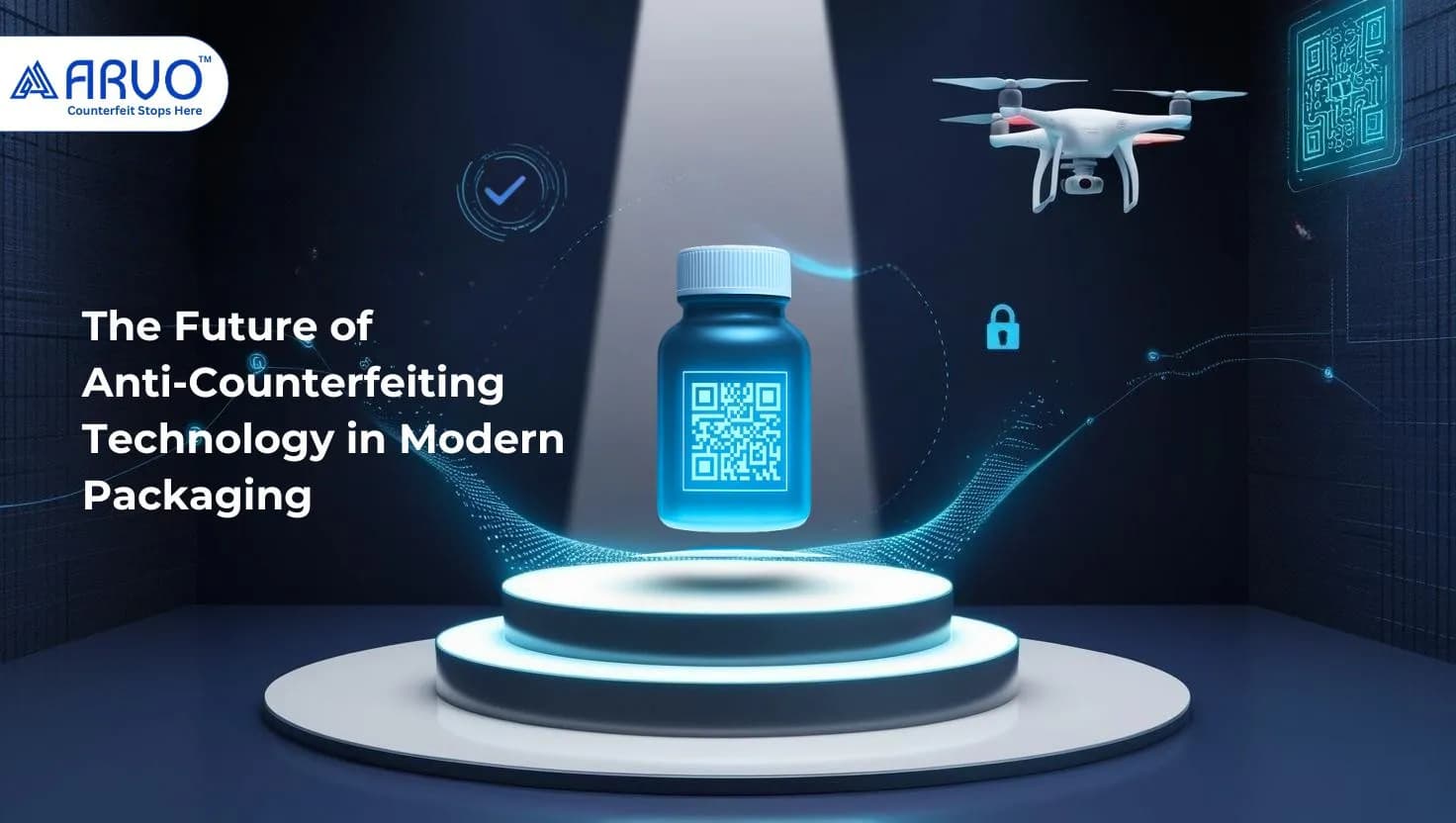
What if the key to stopping counterfeits was something you couldn’t even detect? In an age where fake products are becoming more sophisticated, traditional packaging security methods are falling short. Today’s counterfeiters can replicate QR codes, mimic labels, and imitate entire product designs. But what they can’t easily forge is something they can’t perceive, an invisible watermarking solution. This breakthrough technology is emerging as a powerful solution to secure your products without altering packaging aesthetics.
In today’s competitive marketplace, brands are under constant threat from counterfeiters. Beyond financial losses, fake goods erode consumer trust and damage brand equity. To combat this growing issue, industries are embracing innovative packaging technologies that protect product authenticity. Among the most promising of these advancements is invisible watermarking.
What Is Invisible Watermarking?
Invisible watermarking is a security technique that embeds imperceptible data into packaging elements—like logos, labels, or materials—using special printing or digital imaging techniques. These marks are invisible to the naked eye but can be detected using specific scanning devices or smartphone apps authorized by the brand.
This hidden layer of security cannot be easily discovered, reproduced, or removed by counterfeiters, making it a formidable tool in the fight against fakes. Typically applied using UV-reactive, IR-responsive, or other specialized ink technologies, these watermarks ensure authenticity while maintaining the product’s original design.
How Invisible Watermarking Enhances Product Security
Invisible watermarking is reshaping the future of packaging security in multiple impactful ways:
- Unmatched Security: Because the watermark is invisible and undetectable by conventional means, counterfeiters are unable to replicate it easily.
- Boosted Consumer Trust: Customers can validate the authenticity of products through simple app-based scans, increasing confidence in the brand.
- Preserved Aesthetics: The watermark doesn’t interfere with packaging design, allowing premium and luxury products to retain their clean, high-end appearance.
- End-to-End Traceability: Watermarked packaging supports real-time product tracking across the supply chain—helping brands detect tampering, diversion, or fraud.
Why Forward-Thinking Brands Are Turning to Invisible Watermarking
Adopting invisible watermarking is a strategic move that gives brands a technological and reputational edge:
- Design Integrity: It protects product aesthetics without adding visible elements.
- Brand Differentiation: Signals innovation and commitment to product authenticity.
- Reduced Losses: Helps mitigate financial damage from counterfeit-related disruptions.
- Regulatory Support: Helps meet compliance mandates in pharma, electronics, and other regulated industries.
- Customer Engagement: Verification through apps provides a direct digital channel to interact with end users.
Real-World Applications of Invisible Watermarking
Invisible watermarking is gaining traction across industries where authenticity, safety, and trust are paramount:
- Pharmaceuticals: Protects patients from counterfeit drugs and ensures supply chain integrity.
- Luxury Goods: Enables discreet authentication without compromising elegant packaging.
- Consumer Electronics: Prevents grey market activity and fake warranties.
- Food & Beverages: Validates the quality and origin of premium products such as wine, coffee, or supplements.
How ARVO Can Help
At ARVO, we specialize in product authentication and traceability solutions tailored for high-risk industries. Our platform combines copy-proof NOVA codes and blockchain-powered traceability to ensure that every product is verifiable—without disrupting your existing operations.
Here’s how we help:
- Real-Time Counterfeit Detection: Monitor and verify products from manufacturing to delivery.
- Secure, Immutable Records: Our blockchain-backed platform safeguards your supply chain data.
- Copy-Proof NOVA Codes: Confirm product authenticity instantly with any phone camera.
Ready to secure your supply chain and build consumer trust? Contact ARVO today to discover how copy-proof codes can strengthen your product protection strategy and future-proof your brand.
Conclusion
Invisible watermarking represents the next evolution of smart packaging. It provides a covert yet powerful security layer that helps brands stay one step ahead of counterfeiters—without compromising design or disrupting workflows.
In an era where brand integrity and consumer safety are on the line, invisible watermarking is more than just a technical upgrade—it’s a strategic necessity.
Questions answered in this article
- How do consumers verify a product with an invisible watermark?
- They scan the product with a brand-authorised mobile app or a device that can detect that specific type of watermark.
- Can invisible watermarks be used on all types of packaging?
- Yes. With specialised printing techniques they can be applied to paper, plastic, foil, glass and other materials.
- Why is invisible watermarking more secure than visible security features?
- Because the watermark is hidden, counterfeiters find it almost impossible to detect or replicate without access to the proprietary technology used to create it.
- Which industries use invisible watermarking most?
- Pharmaceuticals, cosmetics, electronics, automotive and high-end FMCG are leading adopters, along with luxury goods and premium food and drink such as wine and coffee.
- Is invisible watermarking expensive to implement?
- There can be set-up costs, but the long-term savings from less counterfeiting and brand damage outweigh them.