Authenticity in Organic Products: How to Verify and Communicate Your Commitment
How to verify authenticity in organic products through certifications, traceability and ingredient lists, and how brands can communicate their commitment.
By Abhijeet Kumar, ARVOPublished Updated 3 min read
In short
To verify authenticity in organic products, look for recognised certifications such as USDA Organic, EU Organic or Soil Association Organic, choose brands that show where and how ingredients are sourced, processed and packaged, and read the ingredient list for certified organic ingredients with no hidden additives. Unregulated labels like natural or green guarantee nothing.
- Authenticity in organic products means a real commitment to organic practice, with transparency from sourcing to distribution.
- Certifications such as USDA Organic, EU Organic and Soil Association Organic involve regular inspections and audits.
- Traceability lets buyers see where and how ingredients were sourced, processed and packaged.
- Labels such as natural or green are not regulated and do not guarantee any standard.
- Brands build trust by stating certifications clearly, telling their story and educating consumers.
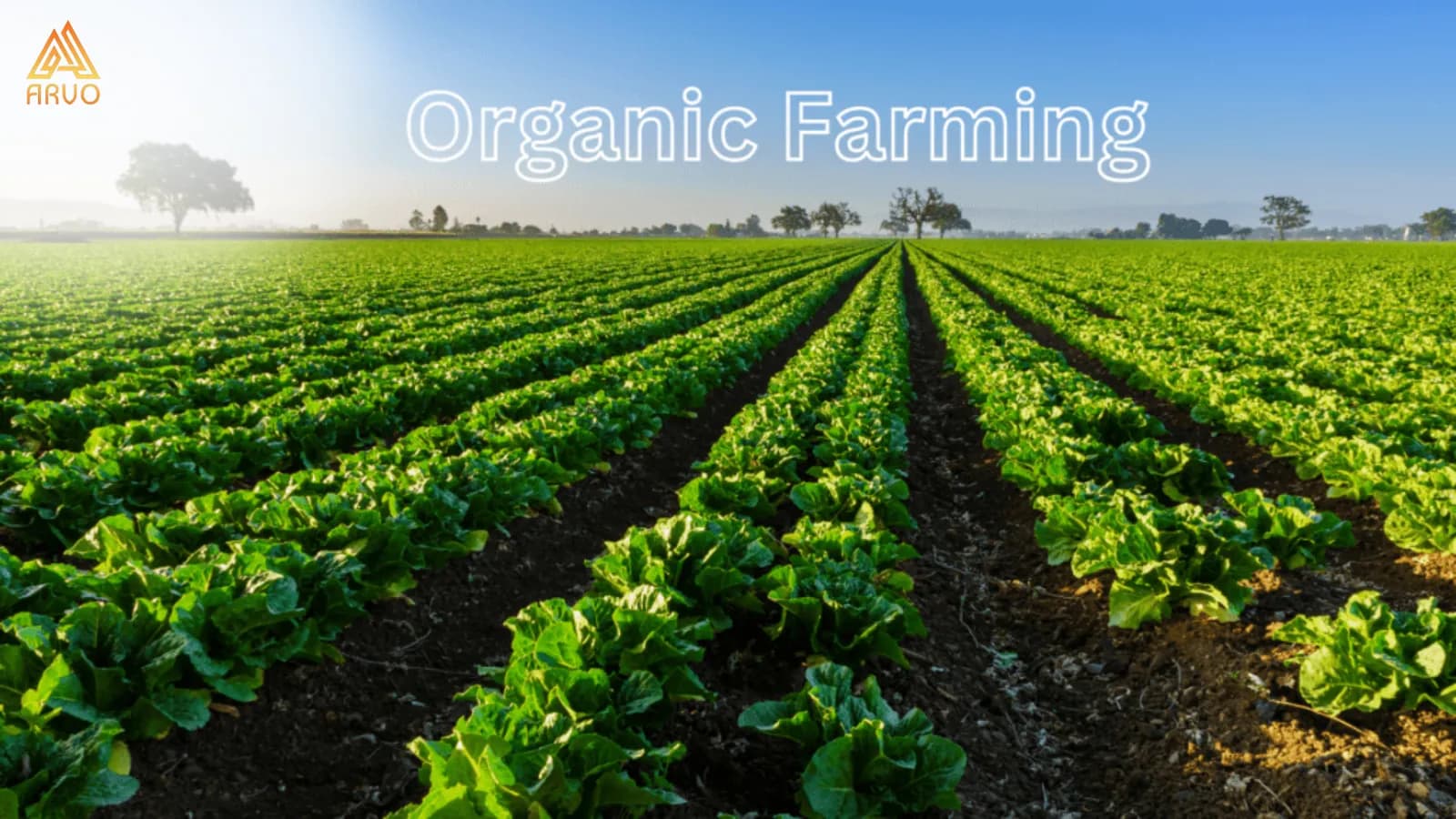
In today’s health-conscious society, the demand for organic products continues to soar. Consumers are increasingly turning to organic options in pursuit of healthier lifestyles and sustainable practices. However, with the proliferation of greenwashing and misleading marketing tactics, the importance of authenticity in organic products cannot be overstated.
What is Authenticity in Organic Products?
Authenticity in organic products refers to the genuine commitment of brands to adhere to organic principles and practices. It encompasses transparency, integrity, and accountability throughout the entire production process, from sourcing raw materials to manufacturing and distribution.
Why Authenticity Matters?

1. Consumer Trust
Authenticity builds trust among consumers. When brands uphold their commitment to organic standards, they foster loyalty and credibility with their audience, leading to repeat purchases and positive word-of-mouth recommendations.
2. Environmental Impact
Authentic organic products contribute to environmental sustainability by promoting organic farming practices that prioritise soil health, biodiversity, and ecological balance. By choosing authentic organic options, consumers support efforts to minimise chemical inputs and reduce carbon footprints.
3. Health Benefits
Authentic organic products offer tangible health benefits. Free from synthetic pesticides, herbicides, and genetically modified organisms (GMOs), they provide consumers with nutritious and wholesome alternatives that promote well-being and vitality.
How to Verify Authenticity?
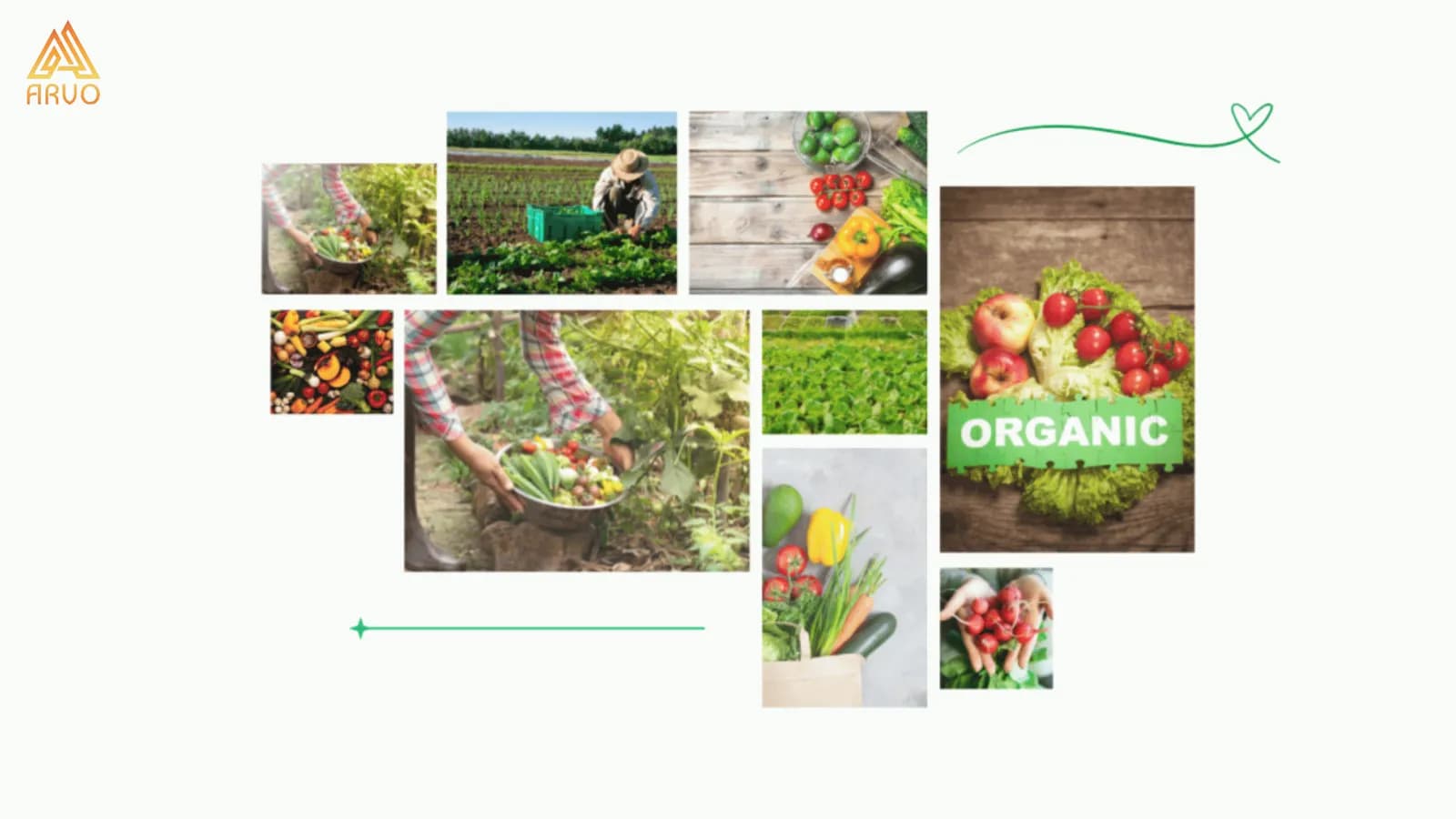
1. Certification
Look for reputable organic certifications such as USDA Organic, EU Organic, or Soil Association Organic. These certifications ensure that products meet stringent organic standards and undergo regular inspections and audits.
2. Traceability
Choose brands that prioritise traceability and supply chain transparency. Seek information on where and how ingredients are sourced, processed, and packaged to ensure authenticity and ethical practices.
3. Ingredient List
Review the ingredient list carefully. Authentic organic products should contain certified organic ingredients, clearly labelled without hidden additives, synthetic chemicals, or artificial flavours.
1. Clear Messaging
Communicate your brand’s commitment to authenticity through clear and transparent messaging. Highlight your organic certifications, sustainable practices, and ethical values to resonate with eco-conscious consumers.
2. Storytelling
Share your brand’s story and journey towards organic excellence. Engage consumers with compelling narratives that showcase your dedication to quality, integrity, and environmental stewardship.
3. Education
Educate consumers about the benefits of authentic organic products and the importance of supporting organic agriculture. Provide informative content that empowers consumers to make informed purchasing decisions.
Conclusion
In a market saturated with greenwashing and misleading claims, authenticity emerges as a beacon of trust and credibility for consumers seeking genuine organic products. By verifying authenticity through certifications, traceability, and ingredient transparency, brands can build lasting relationships with discerning consumers who prioritise health, sustainability, and ethical values.
Questions answered in this article
- What does organic really mean?
- Organic refers to agricultural products grown without synthetic pesticides, herbicides, fertilisers or genetically modified organisms. Organic farming puts soil health, biodiversity and ecological balance first.
- How can I tell authentic organic products from greenwashed ones?
- Look for reputable organic certifications, read the ingredient list and check how the brand sources and produces its products. Avoid vague or misleading claims and favour brands that are transparent.
- Are organic products more expensive?
- They can cost slightly more because organic farming and certification raise production costs. Many consumers see the premium as an investment in their health, the environment and ethical agriculture.
- Can I trust products labelled natural or green?
- Not on the label alone. Natural and green are not regulated and do not guarantee any standard, unlike organic certifications, so check the ingredient list and look for a recognised certification.