Traceability: From Farm to Table – How We Ensure Transparency in Our Supply Chains
Farm to table traceability: what it is, how it improves food safety, quality and sustainability, and the practices that make supply chains transparent.
By Abhijeet Kumar, ARVOPublished Updated 3 min read
In short
Farm-to-table traceability means recording where food and its ingredients come from and how they are handled at every stage of production, processing and distribution. It speeds up targeted recalls when contamination occurs, keeps quality consistent and lets companies verify sustainable, ethical sourcing. Supplier verification, batch-level records and technology such as blockchain make it work.
- Traceability is the ability to track products and ingredients through production, processing and distribution, with records of origin, location and handling.
- Detailed records let authorities trace contamination to its source quickly and run targeted recalls.
- Tracking the journey from farm to table helps producers spot and fix quality deviations.
- Tracing ingredient origins lets companies verify environmental, labour and sustainable farming practices.
- Supplier verification, batch-level record-keeping and digital tools such as blockchain are the practical building blocks.
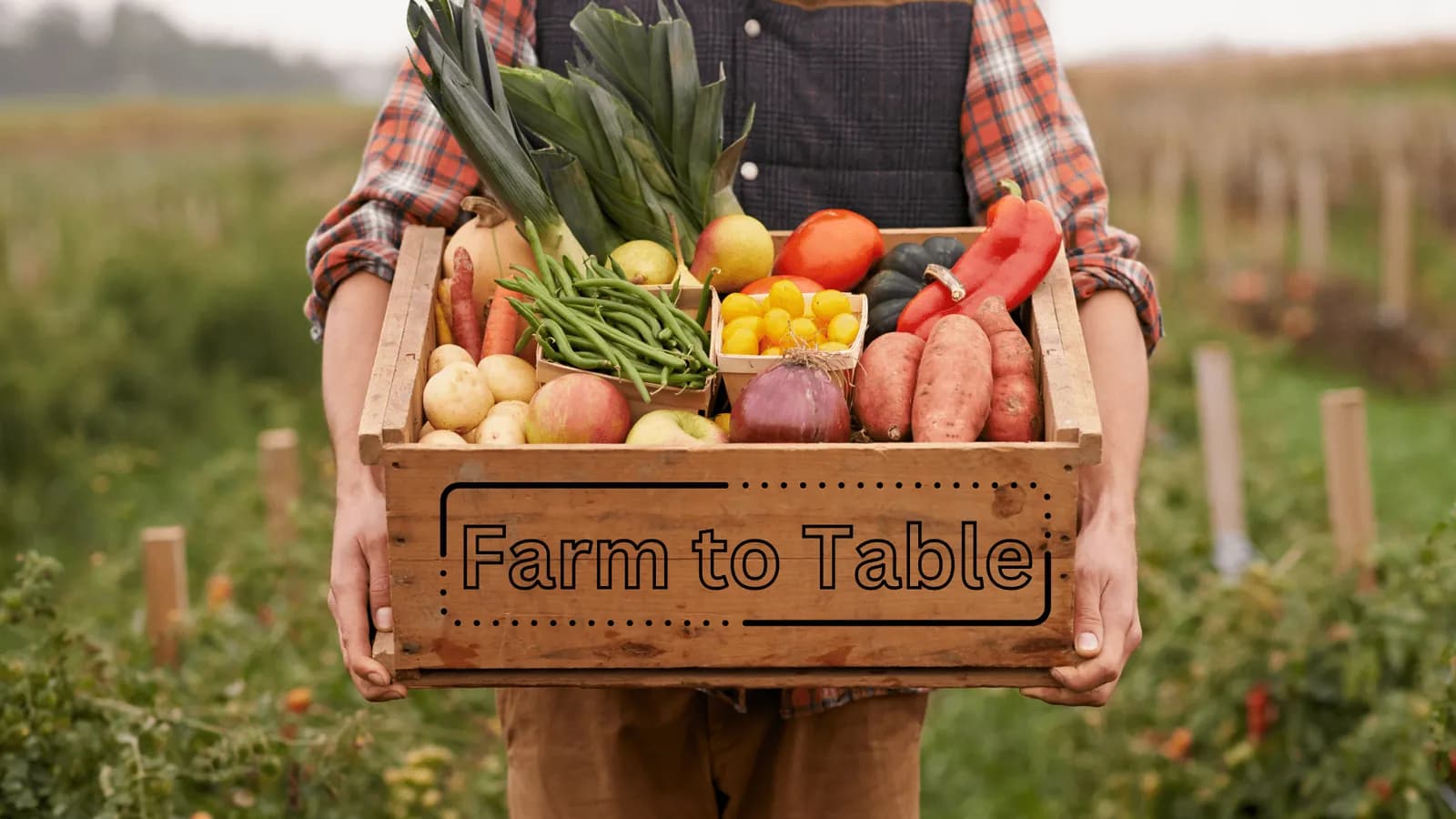
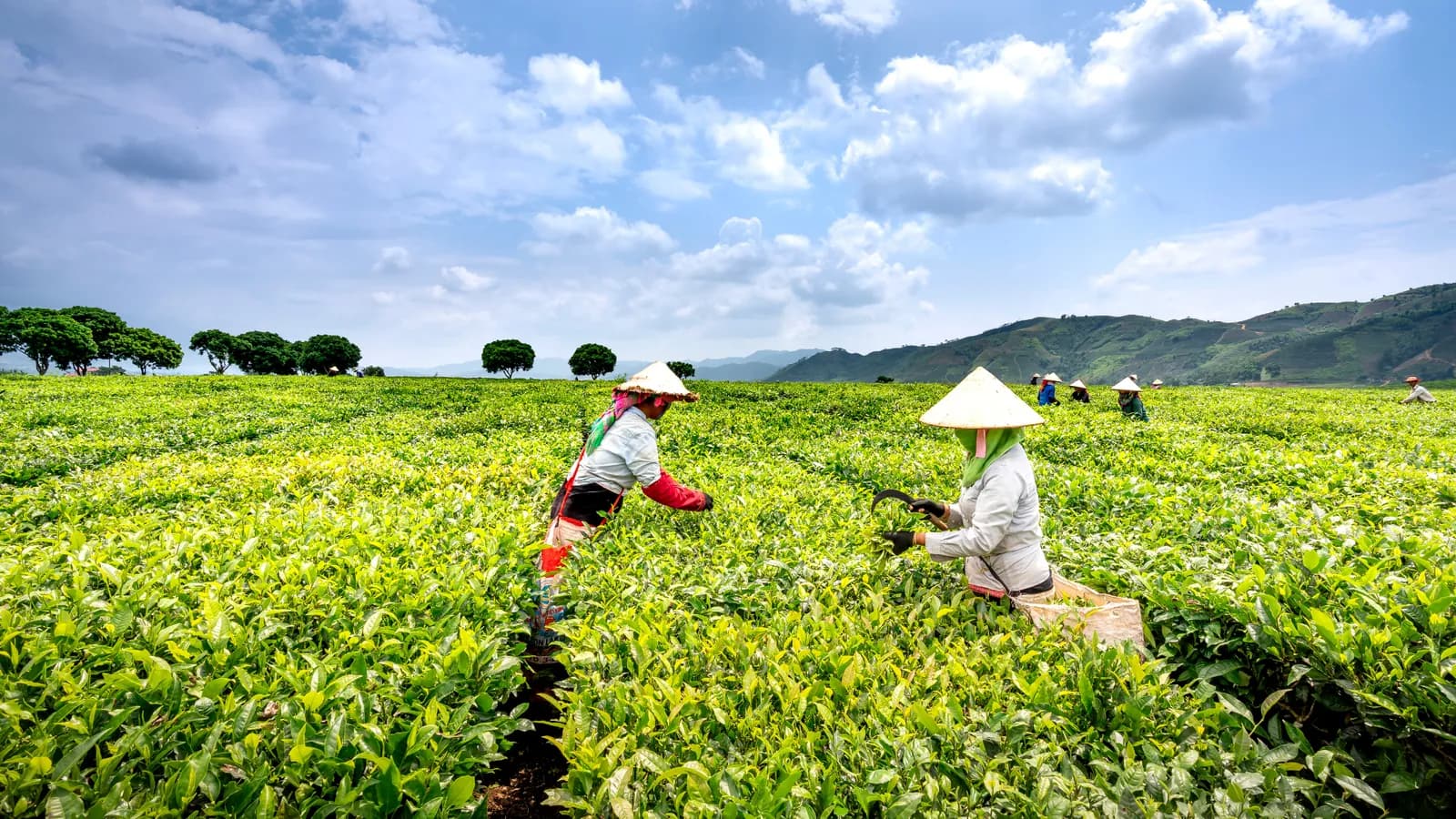
In today’s global marketplace, consumers are increasingly concerned about where their food comes from and how it is produced. As awareness grows about the environmental and social impact of food production, the demand for transparency in supply chains is becoming more pronounced. From farm to table, traceability plays a crucial role in ensuring accountability, sustainability, and ethical practices.
What is Traceability?
Traceability is the ability to track the movement of products and ingredients through all stages of production, processing, and distribution. It involves recording and documenting information such as origins, locations, and handling practices to provide transparency and accountability.
1. Food Safety
Traceability enhances food safety by enabling rapid identification and containment of foodborne illness outbreaks. With detailed records of production and distribution, authorities can quickly trace the source of contamination and implement targeted recalls, minimizing the impact on public health.
2. Quality Assurance
Traceability ensures quality assurance by allowing producers to monitor and maintain strict standards throughout the supply chain. By tracking the journey of products from farm to table, companies can identify and address any deviations or issues that may arise, ensuring consistency and integrity.
3. Sustainability
Traceability promotes sustainability by facilitating responsible sourcing and production practices. By tracing the origins of ingredients, companies can verify compliance with environmental regulations, ethical labor standards, and sustainable farming practices, reducing their ecological footprint and supporting conservation efforts.
How We Ensure Transparency?
1. Supplier Verification
We conduct rigorous supplier verification processes to ensure the integrity and reliability of our suppliers. By thoroughly vetting partners and establishing clear criteria for ethical and sustainable practices, we uphold our commitment to transparency and accountability.
2. Documentation and Record-Keeping
We maintain comprehensive documentation and record-keeping systems to track the movement of products and ingredients throughout the supply chain. By meticulously recording information such as batch numbers, production dates, and handling procedures, we ensure traceability and accountability at every step.
3. Technology Integration
We leverage advanced technology solutions such as blockchain to enhance traceability and transparency in our supply chains. By digitizing and decentralizing data, we enable real-time visibility and authentication, empowering consumers to make informed choices about the products they purchase.
Conclusion
In an era of heightened consumer awareness and scrutiny, traceability emerges as a fundamental principle in ensuring transparency, accountability, and sustainability in supply chains. By embracing traceability initiatives and leveraging technology solutions, companies can build trust, mitigate risks, and drive positive change toward a more responsible and ethical food system.
Questions answered in this article
- How does traceability benefit consumers?
- It assures them of a product's safety, quality and authenticity. Knowing where their food comes from and how it travelled lets them choose products that match their values.
- What are the challenges of implementing traceability systems?
- The complexity of global supply chains, interoperability between different technologies and platforms, and the cost of infrastructure and training.
- What role does regulation play in traceability?
- Regulation sets the standards and requirements for recording, reporting and verifying supply chain information, and government agencies enforce compliance across industries.
- How can consumers check a product's traceability?
- By looking for certifications, labels or QR codes that show the product's origin, production methods and handling, and by researching a company's transparency and sustainability commitments.
- What are the emerging trends in traceability technology?
- AI and machine learning to analyse supply chain data, IoT devices for real-time monitoring, and blockchain for secure, transparent record-keeping.