How Counterfeit Engine Oil Hurts Your Engine, Fuel Efficiency, and Wallet
How counterfeit engine oil causes engine wear, overheating, sludge and higher fuel use, and how secure QR codes and tamper-evident seals help you buy real oil.
By Abhijeet Kumar, ARVOPublished Updated 6 min read
In short
Counterfeit engine oil is adulterated, repackaged or fake oil, often made from low-grade or recycled base oils that lack proper additives. It increases friction, so engines wear faster, run hotter, form sludge and burn more fuel. Scanning a secure QR code and checking tamper-evident seals before you buy helps confirm the oil is genuine.
- Counterfeit engine oil is often low-grade or recycled base oil treated to look new, without the additives genuine oil carries.
- Short-term effects include faster engine wear, overheating and loss of power.
- Over time it forms sludge that blocks oil passages and can lead to engine failure.
- Higher friction and faster breakdown under heat make the engine use more fuel.
- A unique, scannable QR code and a tamper-evident seal let buyers check that a bottle is genuine.
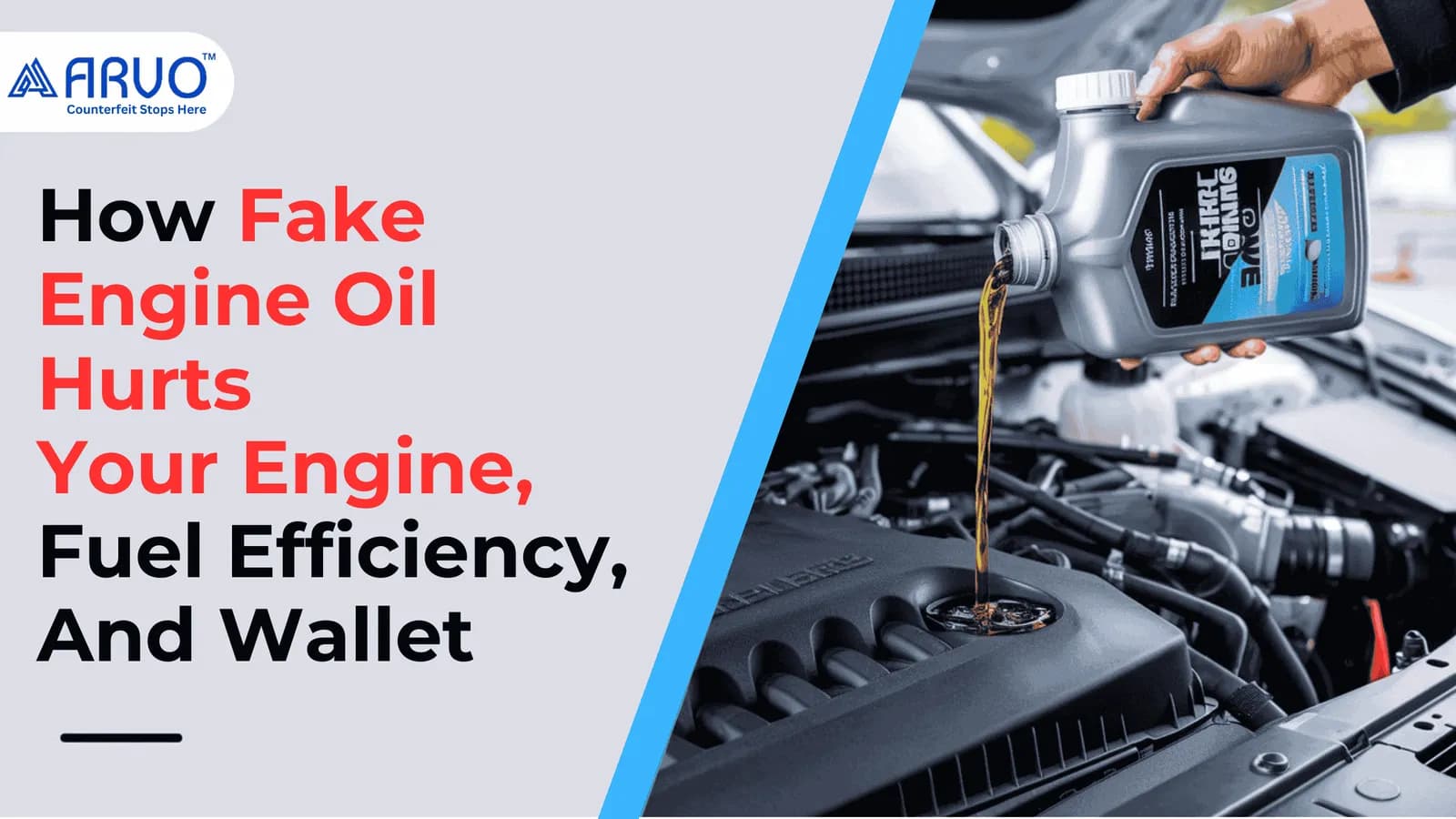
Counterfeit engine oil poses a growing threat to vehicle owners and fleet operators worldwide. While this substandard oil might look legitimate at first glance, its usage can severely compromise a vehicle’s performance, reduce fuel efficiency, and even lead to costly engine damage. In this article, we’ll explore the hidden dangers of counterfeit engine oil, how it can negatively affect your vehicle, and what steps you can take to ensure you’re using authentic, high-quality engine oils.
What is Counterfeit Engine Oil?
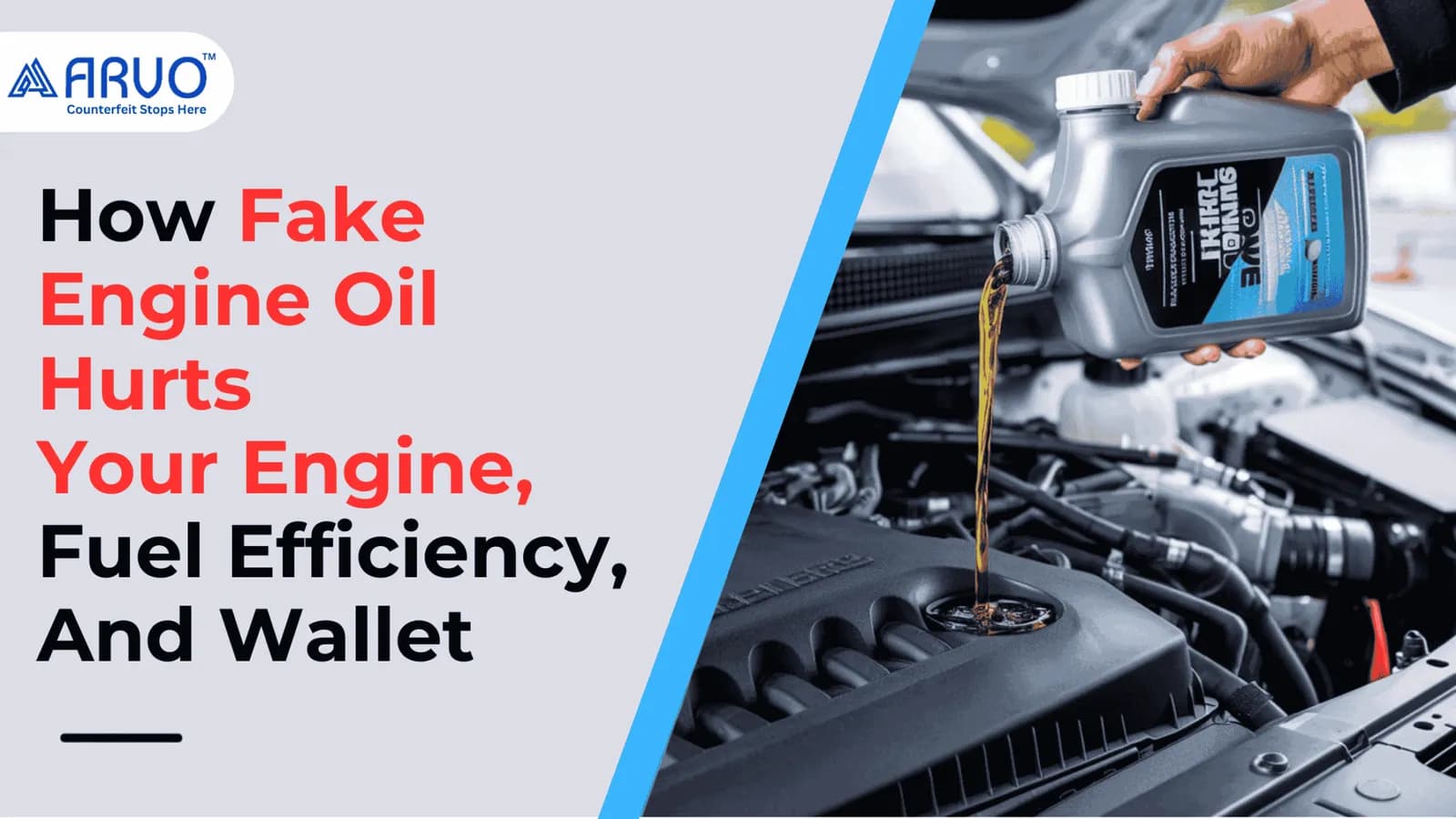
Counterfeit engine oil refers to engine oil that has been adulterated, repackaged, or completely falsified. These counterfeit products are often made using low-grade base oils or recycled oils that are chemically treated to mimic the appearance of new oil. Despite its lower cost, counterfeit oil lacks the additives and properties necessary to provide proper lubrication, cooling, and protection for engine components.
These inferior oils can be deceptively packaged to look like legitimate brands, but their substandard quality can lead to significant engine issues. The result is reduced vehicle performance and the potential for expensive repairs down the road.
How Prevalent is Counterfeit Engine Oil?
The issue of counterfeit engine oil is more common than many vehicle owners realize. Counterfeit oils flood markets where regulatory enforcement is lax or online sales are booming. This problem is exacerbated by unscrupulous retailers offering engine oils at discounted prices, tempting customers with the allure of cost savings.
Industry reports suggest that counterfeit engine oils account for a significant portion of the market in certain regions, putting countless vehicles at risk. In a world where many purchase automotive supplies online, differentiating genuine products from counterfeit ones becomes increasingly challenging.
Effects of Counterfeit Engine Oil on Vehicle Performance
The use of counterfeit engine oil can have devastating consequences for the overall performance of your vehicle. Authentic engine oil is designed with carefully formulated additives that provide lubrication, reduce wear, and protect the engine from heat and corrosion. When counterfeit oil is used, these benefits disappear, leading to:
- Increased Engine Wear: Counterfeit oils often lack the high-quality additives that genuine oils contain, leaving your engine’s moving parts exposed to friction. This increased friction can cause parts to wear down faster, shortening the engine’s life.
- Overheating: Genuine oils help dissipate the heat generated by engine operation, while counterfeit oils are less efficient at this. This leads to the engine running hotter than normal, which increases the risk of overheating, especially during high-demand driving conditions.
- Loss of Power and Performance: As friction between moving parts increases, engines require more effort to function efficiently. This added strain can reduce the responsiveness of the vehicle, resulting in sluggish acceleration and decreased overall performance.
Long-term Engine Damage from Counterfeit Oil
One of the most concerning aspects of counterfeit engine oil is the potential for irreversible damage to a vehicle’s engine over time. While the effects may not be immediately noticeable, continued use of counterfeit oil can cause catastrophic engine failure. Here are some common long-term effects:
- Oil Sludge Build-up: Counterfeit oils are more prone to breaking down and forming sludge inside the engine. This sludge can block oil passages, leading to poor lubrication and engine overheating.
- Increased Maintenance and Repairs: As the engine becomes more susceptible to wear, tear, and overheating, the need for maintenance and expensive repairs increases. Components like the pistons, bearings, and gaskets are more likely to fail prematurely.
- Reduced Engine Life: Engines exposed to counterfeit engine oil have a significantly shorter lifespan due to the lack of adequate protection from friction, heat, and contaminants.
Fuel Efficiency and Counterfeit Engine Oil: The Hidden Cost
Beyond its impact on engine longevity and performance, counterfeit engine oil can also negatively affect a vehicle’s fuel efficiency. Authentic oils are designed to reduce friction between engine components, which helps the engine run smoothly and efficiently. However, counterfeit oil lacks these friction-reducing properties, which forces the engine to work harder and consume more fuel.
Here’s how counterfeit oil diminishes fuel efficiency:
- Increased Friction: The low-grade materials used in counterfeit oils cannot reduce friction as effectively as genuine oil, leading to a less efficient engine and higher fuel consumption.
- Faster Breakdown Under Heat: Counterfeit oils are more prone to breaking down under high temperatures, losing their viscosity and lubricating properties. This results in more resistance within the engine, requiring additional fuel to maintain performance.
While counterfeit oil might seem like a cost-effective option at first, the additional fuel costs and potential for engine damage make it an expensive choice in the long run.
How do You Identify Counterfeit Engine Oil
Detecting counterfeit engine oil can be tricky since counterfeiters often mimic legitimate brands with deceptive packaging and pricing. At ARVO, we provide advanced tools and technologies that help oil brands and their customers confirm that the oil is genuine. Here’s how we make it easy to identify and avoid counterfeit products:
- Secure QR Code Verification: Each bottle protected by ARVO carries a unique, copy-proof QR code, which you can scan with any smartphone. This code confirms the product’s authenticity instantly, giving you peace of mind about the quality and reliability of your purchase.
- Tamper-evident Seals: To prevent tampering, brands can seal bottles with tamper-evident labels that will show any signs of interference. These seals help you know your product is untouched from manufacturing to delivery, ensuring complete security.
- Real-Time Tracking: Every scan records where the bottle is, so the brand knows where each product came from and where it was sold, and can work with authorized dealers to keep counterfeit oil out of the channel.
Safeguard Your Engine with ARVO
Counterfeit oil can cause costly damage and reduce fuel efficiency, but with ARVO’s solutions, you can protect your investment with confidence. Our innovative anti-counterfeiting measures, from secure QR codes to tamper-evident seals, make it easy to verify that you’re using high-quality, genuine products.
Choose Authenticity, Choose ARVO
Ensure your vehicle’s performance and longevity with engine oil you can verify. Visit ARVO to learn more about our anti-counterfeit technology, or connect with our experts for personalized guidance on protecting your vehicle from counterfeit products. Let ARVO be your trusted partner in automotive care and security.
Questions answered in this article
- Can counterfeit engine oil cause permanent engine damage?
- Yes. Prolonged use can cause severe damage, including excessive wear, overheating and component failure. Pistons, bearings and gaskets are more likely to fail early.
- How do I know if I have been using counterfeit engine oil?
- Watch for sluggish acceleration, overheating or a drop in fuel efficiency. These performance problems can point to counterfeit oil.
- What should I do if counterfeit oil was used in my vehicle?
- Flush the engine and refill it with genuine oil. Have a mechanic inspect the engine for damage or excessive wear.
- Does counterfeit engine oil reduce fuel efficiency?
- Yes. It cannot reduce friction as well as genuine oil and breaks down faster under heat, so the engine works harder and uses more fuel.
- How can I check that engine oil is genuine?
- Scan the secure QR code on the bottle with any smartphone to confirm it is authentic, and check that the tamper-evident seal is intact. Buy from authorised dealers rather than sellers offering unusually deep discounts.
Sources
- How to spot fake engine oil: 6 signs to check, Motul India
- Fuel cost calculator, NDTV