Fake or Real? Discover the Power of Product Authentication in Spotting Counterfeits
What a product authentication solution is, why it matters for safety and brand trust, the main methods from copy-proof codes to blockchain, and the challenges.
By Abhijeet Kumar, ARVOPublished Updated 8 min read
In short
A product authentication solution checks whether a product is genuine or counterfeit at points along the supply chain. Common methods are copy-proof QR codes that customers scan with a smartphone, tamper-evident labels, AI that watches scan patterns for anomalies, and blockchain records of every step, together protecting consumer safety, brand reputation and trust.
- Product authentication verifies whether a product is genuine, and it matters most where fakes endanger people, such as medicines and car parts.
- Counterfeits hurt revenue and also tie the original brand to poor quality and safety problems.
- Copy-proof QR codes use encryption so the code cannot be copied, and customers verify with a smartphone scan.
- Blockchain records each step of a product's journey in a ledger that cannot be changed.
- The main challenges are implementation cost and training, low consumer awareness and counterfeiters' changing tactics.
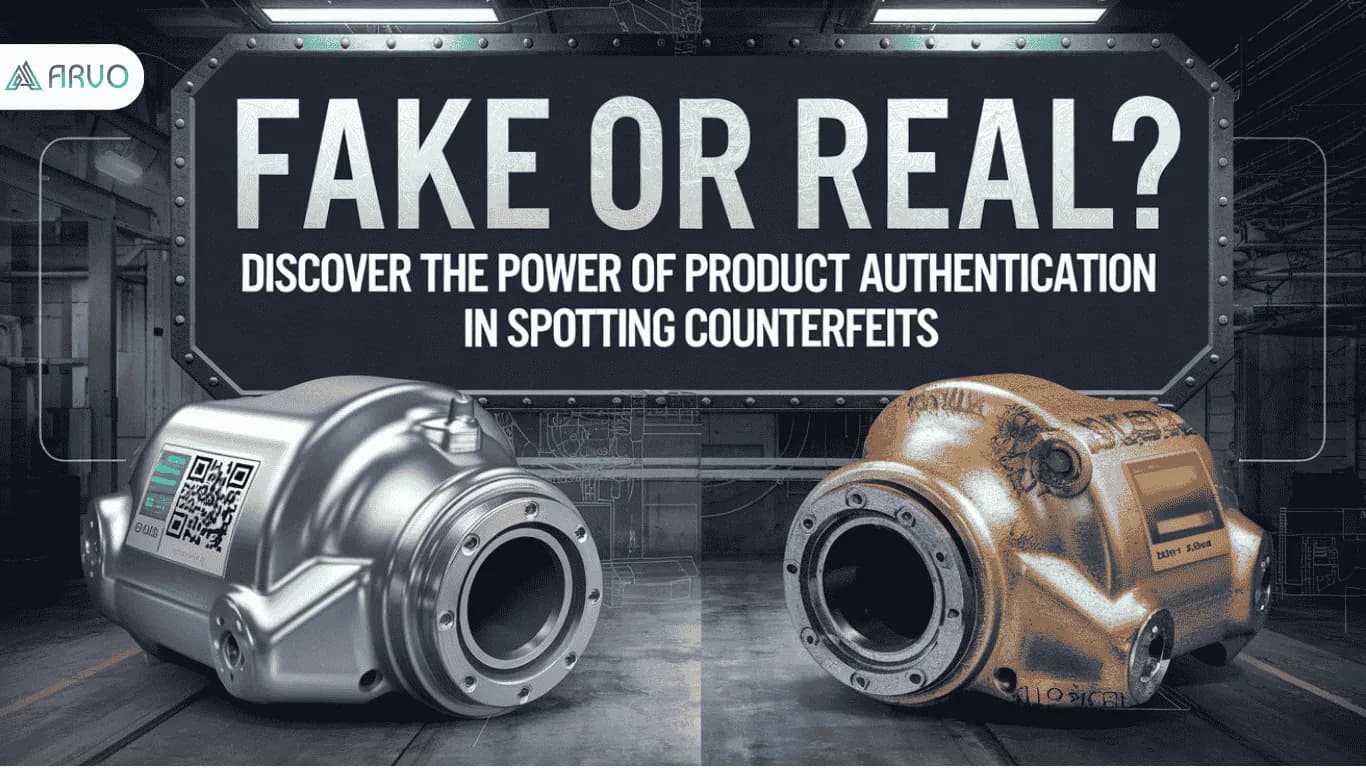
With the continually surging rise of the global economy, counterfeit products are fast turning into a threat that poses a danger not only to businesses but also to consumers. Product authentication, meaning in other words verifying whether a product is genuine or fake, forms the core tool against the threats of counterfeit products. Let’s dig further into how important these robust systems of product authentication are, from safeguarding brands to building trust in the eyes of a customer.
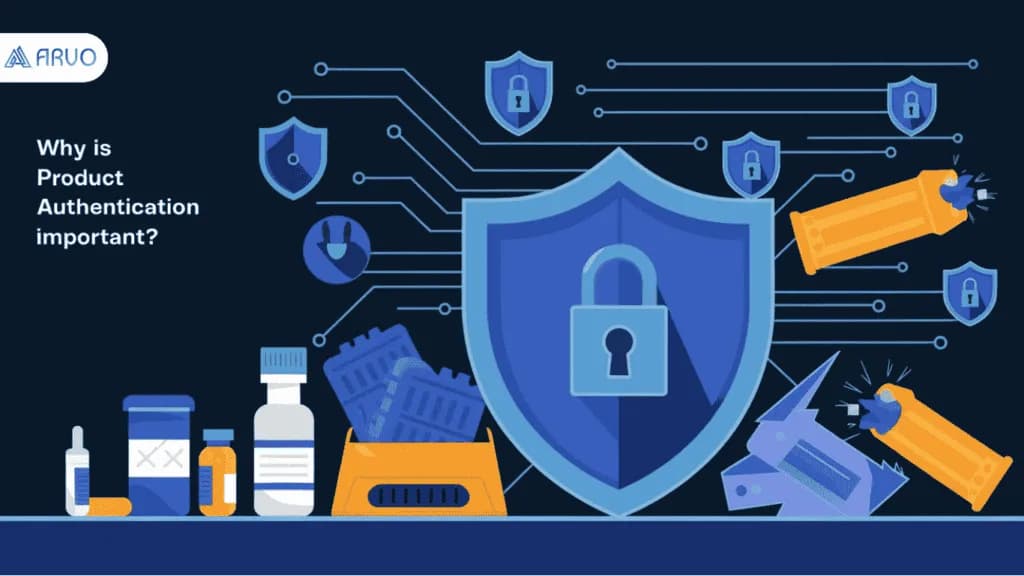
What is Product Authentication Solution?
By definition, product authentication is a verification process regarding whether a specific product is authentic or just a counterfeit product. It has become an important issue for the sectors of pharmaceuticals, fashion, and electronics due to the rapid growth in the counterfeiting industry. These businesses face huge risks of losing revenue and reputation.
Product authentication solutions protect your business and your customers by enacting authentication checks at various levels within the supply chain. For consumers, these methods also enable them to exercise better judgment, as distinguishing real from fake products has come to mean everything.
Why Your Business Needs Product Authentication
Here is why you must authenticate your products and how product authentication fits into your larger business strategy, given that counterfeits threaten your share of the market and the trust of your customers.
Implementing quality systems not only protects your supply chain but will also give your customers confidence in purchasing authentic products.
Why is Product Authentication Important?
Product authentication is not only to safeguard profits but also to protect consumer safety, brand integrity, and further compliance with relevant laws.
- Protecting Consumer Safety The consumption of such fakes can be particularly disastrous in areas like health care and the automobile industry. Ineffective drugs and car parts that malfunction can have catastrophic effects. Authenticity can be infused into products since a firm must ensure only the original good reaches the consumer, and it thereby contributes crucially toward public health and safety.
- Maintaining Brand Reputation Counterfeits not only hurt the bottom lines but also damage a brand’s reputation. The original brand is associated with poor quality and even safety issues when it comes into circulation. Firms that authenticate their goods thoroughly convey that quality and client trust are highly valued.
- Enhancing Consumer Confidence The higher the perceived authenticity is, as a result of the verification via scanning the QR code or simply checking the security label, the higher are going to be increased levels of trust from the consumers towards the brand. This possibility, in turn, might lead to an increase in repeat purchases and brand loyalty.
The International Chamber of Commerce projected that the global impacts of counterfeiting and piracy would reach US$4.2 trillion by 2022. Given this level of economic impact, it is evident that efficient systems for authenticating products are not only valuable but essential as well.
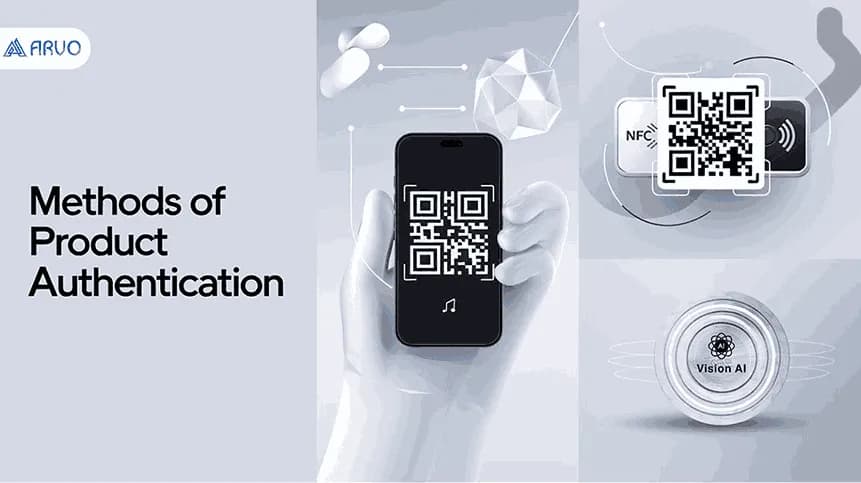
Methods of Product Authentication Solution
Here at ARVO, we believe that just as much as we protect the authenticity of your products through the world’s most innovative industry-leading solutions, they are designed to not just deter counterfeits but also make your customers feel assured of the originality of the product. Here is how we protect your products:
1. Copy Proof QR Code – Instant, Reliable Verification
Our Copy-proof QR codes are made by using advanced encryption that makes the product’s QR code unable to be copied or even forged. Every product will have its QR code, and customers will scan it using their smartphones. This instant verification process offers real-time authentication so customers can be confident that their product is original at any point in time, anywhere.
Key Feature: Real-time product traceability, giving businesses and consumers peace of mind with every scan.
2. Tamper-Proof Labels – Maximum Security
Our Spectre tamper-proof labels carry a hidden pattern that a scan reveals, so any attempt at tampering shows, and each scan records the product’s location, from the starting stages of manufacture right up to the last user.
Key Feature: Tamper alerts and product traceability, providing a multi-layered defense against unauthorized access or tampering.
3. End-to-End Blockchain Integration – Immutable Security
Blockchain integration will help take the security of your product to a whole new level. Taking advantage of blockchain’s immutable ledger, every step of your product’s life journey is recorded and cannot be changed. This provides total transparency and trust, enabling you and your customers to have an uninterrupted chain of authentication from the manufacturer to the end-user.
Key Feature: Full traceability and unchangeable records that offer ultimate supply chain transparency and trust.
Benefits of Using Product Authentication Solution Tools
There are various advantages to the implementation of authentication tools that the business can enjoy once they make significant investments in strong product authentication tools. From the reduction of risk from counterfeit goods to an improvement in operational efficiency, the chances of a business enjoying all these benefits are very high.
- Reduction in Counterfeiting The most significant benefit of authentication tools is that they bar counterfeit products from the market. With adequate verification processes, one is able to sharply reduce the presence of fakes, protecting one’s brand and its consumers.
- Increased Sales and Consumer Confidence Whenever a consumer buys authentic stock, the probability of returning to that particular brand is high. The increased consumer confidence in this way leads to massive sales and patrons.
- Improved Supply Chain Transparency The majority of product authentication technologies, including RFID, blockchain, and many others, improve the visibility of the supply chain. That means with such deployments, businesses can not only check on the authenticity of their products but also trace inventories, prevent theft, and improve logistics.
Challenges in Product Authentication Solution
Although there are numerous advantages associated with the implementation of a product authentication system, the process comes with several challenges.
- Complexity of Implementation A robust product authentication system requires investment in technology as well as training. This may present a hurdle to the smaller companies in allocating resources and implementing them appropriately. That’s why we are here to help. Contact Us Now!
- Consumer Awareness Some consumers are educated about product authenticity verification, but most do not. Without mass education on how consumers should use authentication tools, businesses may mislead and frighten potential buyers.
- Counterfeiters Evolving Tactics The better the method of producing sophisticated product authentication is, the more sophisticated the counterfeiters get in their counterattacks. Continuous innovation and adaptation are required to keep these authentication tools effective.
Future Trends in Product Authentication Solution
Product authentication is continually evolving. New technology is always emerging in order to combat the issue of counterfeit goods.
- AI and Machine Learning Artificial intelligence, machine learning, etc., are emerging as inevitable tools in the fight against counterfeits. These AI and machine learning-based applications predict patterns and deviated patterns for the identification of a counterfeit product.
- Mobile Apps for Authentication Brands are today developing mobile applications for their customers to see if a particular product is authentic with just a rapid scan. Feedback comes in real time, where convenience also increases, as does the confidence in which the consumers would make a purchase.
- Augmented Reality (AR) Authentication A few companies are using augmented reality (AR) to create attractive and interactive experiences concerning authentication. For example, customers will scan a product by using their smartphones, and a virtual overlay that assures it is authentic will appear.
Conclusion
Authenticating products will give businesses a lot of ammunition in the counterfeit-laden marketplace that prevails in present-day business. It means using quite varied technologies, from holographic labels to blockchain technology itself, to protect brand value, instill trust in end-users, and ensure the delivery of legitimate products to the marketplace. As we see cycles of technological progress on a continuous basis, product authentication is going to be even more evolved, thereby making it harder for counterfeiters and easier for businesses to preserve their goods’ reputation.
Stay tuned for updates from our experts at ARVO. We help businesses across industries protect their brands and ensure product authenticity using the most advanced tools and technologies.
Questions answered in this article
- What is a product authentication solution?
- It is a way of verifying that a product is genuine and not counterfeit, using methods such as security labels, unique codes and digital technologies.
- Why is product authentication important?
- It protects consumer safety, safeguards brand reputation and builds consumer trust by making sure the products people buy are genuine.
- How does blockchain help in product authentication?
- Blockchain keeps a secure, transparent ledger of a product's journey from manufacturer to consumer. That makes it very hard for counterfeit goods to enter the supply chain unnoticed.
- What are the main challenges of product authentication?
- Implementation takes investment in technology and training, many consumers do not yet know how to use authentication tools, and counterfeiters keep changing their tactics to get around them.
- How can consumers verify the authenticity of a product?
- They can scan the product's QR code, check its security or holographic label, or use a verification app or page provided by the brand.