Counterfeit Engine Parts: Hidden Risks and How to Stay Safe
Which counterfeit engine parts are most common, how they fail and put drivers at risk, and how to spot fakes by packaging, tamper evidence and codes.
By Abhijeet Kumar, ARVOPublished Updated 4 min read
In short
Counterfeit engine parts are fake components made to look genuine but built from substandard materials without proper quality control. Filters, brake pads, spark plugs, bearings, piston rings and fuel injectors are common targets. They cause mechanical failures, poor performance and safety risks, so buy from authorised sources and check packaging, tamper evidence and authentication codes.
- Counterfeiters copy logos, packaging and serial numbers, so fakes are hard to tell from genuine parts.
- Filters, brake pads and shoes, spark plugs, bearings, piston rings, fuel injectors, belts and hoses are the most targeted parts.
- Fake parts skip quality testing and use inferior materials, which is why they are cheaper and fail early.
- Failures range from clogged oil filters and misfiring spark plugs to brake failures and engine fires.
- Check for quality packaging, certification marks, tamper-evident seals and scannable authentication codes before fitting a part.
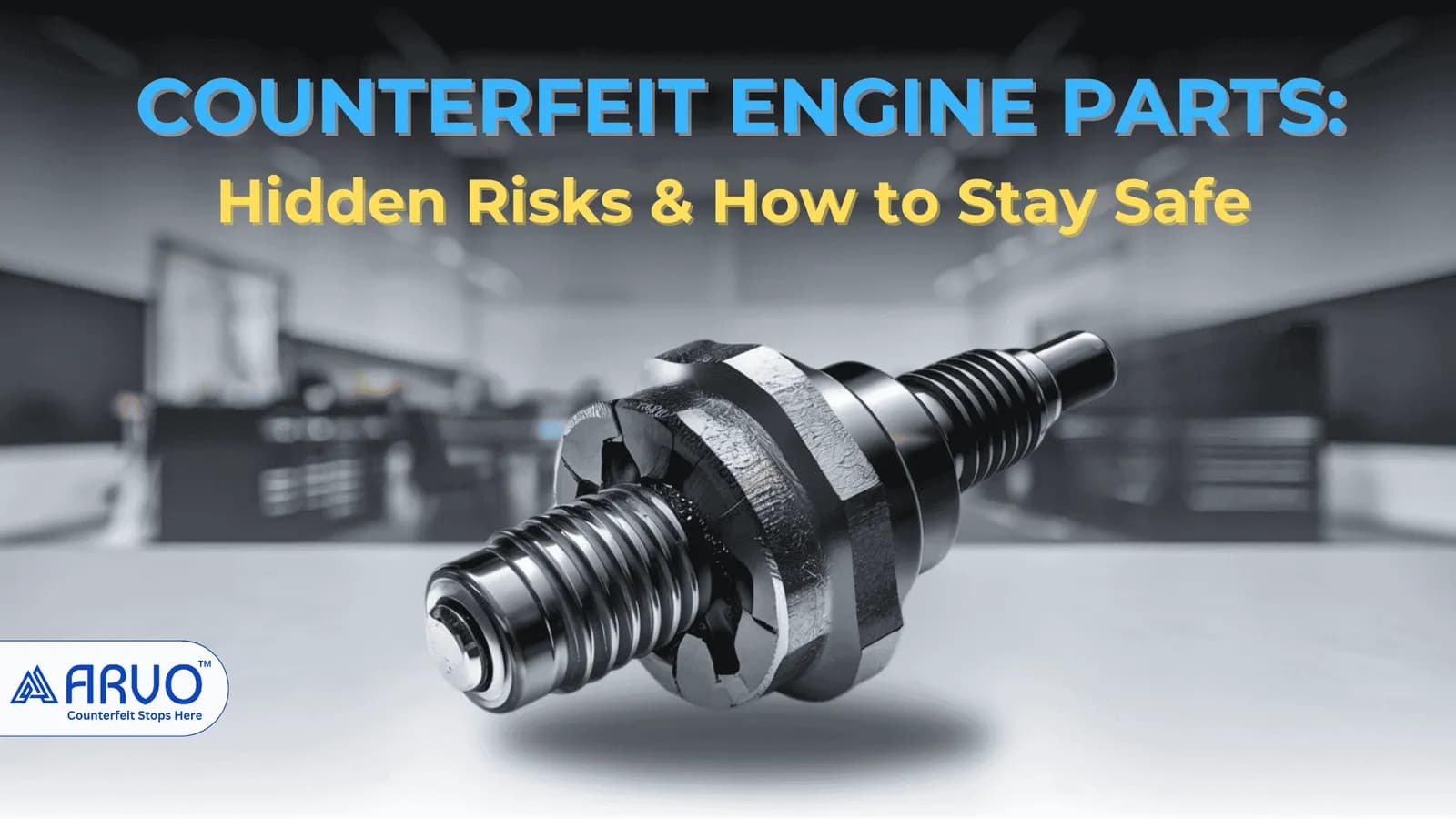
Counterfeit engine parts are a growing threat to vehicle safety worldwide. These fake components are deceptively packaged to look authentic but lack the quality, reliability, and safety of genuine parts. While they may seem like a cost-effective option initially, the long-term consequences, mechanical failures, expensive repairs, and increased accident risks, far outweigh any short-term savings.
This article dives into the world of counterfeit engine parts, exploring their dangers, impact on vehicles, and practical steps to detect and avoid them.
Understanding Counterfeit Engine Parts
The automotive market is rife with counterfeit parts, making it increasingly difficult for consumers to differentiate between genuine and fake components. Counterfeiters use advanced techniques to replicate logos, packaging, and serial numbers, creating a false sense of security for buyers.
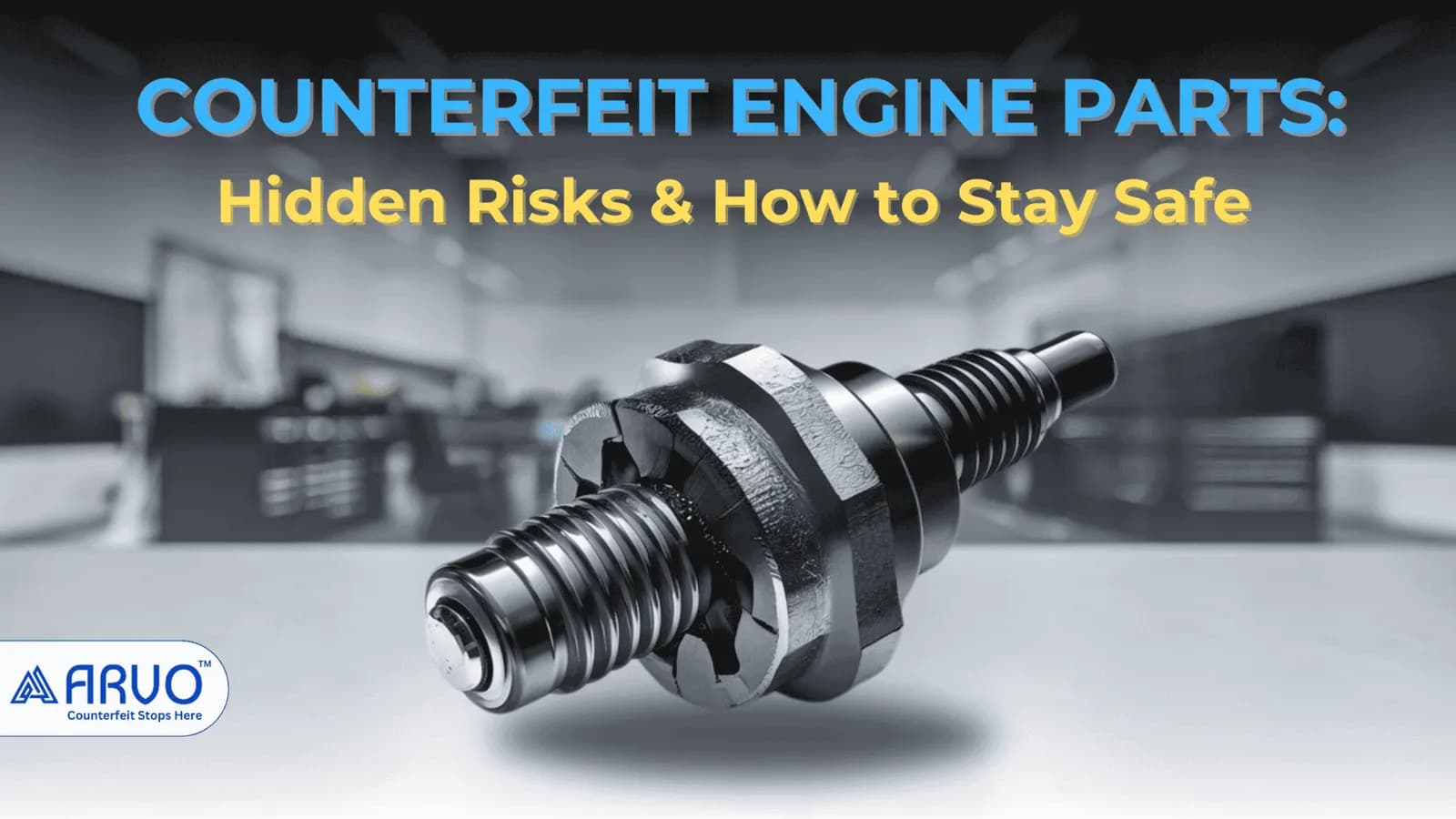
Common Counterfeit Engine Components
Fake parts often target high-demand components essential for vehicle safety and performance. These include:
- Filters (air, oil, and fuel)
- Brake pads and brake shoes
- Spark plugs
- Bearings and piston rings
- Fuel injectors
- Belts and hoses
These parts operate under high stress and are critical for maintaining vehicle functionality, making their failure catastrophic.
How Fake Parts Are Made
Genuine automotive components undergo stringent quality control measures, testing for durability, efficiency, and safety. Counterfeit parts, however, skip these rigorous processes. They are often made from substandard materials and fabricated using low-quality methods, resulting in components prone to early failure.
The Dangers of Fake Engine Parts
Counterfeit engine parts compromise the structural integrity and performance of a vehicle. Their use can lead to:
Mechanical Failures
Low-quality materials in counterfeit parts are prone to wear and tear, causing critical failures. Examples include:
- Brake components catching fire during heavy braking.
- Clogged oil filters leading to engine overheating.
- Spark plugs failing, resulting in erratic ignition or engine misfiring.
Performance Issues
Using counterfeit parts reduces a vehicle’s overall efficiency. Symptoms often include:
- Increased fuel consumption.
- Poor acceleration and handling.
- Unreliable engine startups.
Safety Risks
The most alarming aspect of counterfeit engine parts is the risk they pose to safety. Examples of incidents include:
- Non-functional airbags failing during accidents.
- Brake failures causing collisions.
- Engine fires triggered by faulty electrical components.
How to Spot Counterfeit Engine Parts
Vehicle owners can reduce their risk of purchasing fake parts by being vigilant.
Visual Inspection
Authentic parts have distinguishing features that counterfeit parts often lack. Look for:
- High-quality packaging with no spelling errors.
- Manufacturer logos and certification marks.
- Uniform material quality and finish.
Tamper-Proof Packaging
Many genuine parts come in tamper-evident packaging that shows clear signs if opened or altered.
Authentication Technology
Advanced methods like holographic labels and QR codes enable buyers to verify authenticity.
How ARVO Can Help You Protect Against Counterfeit Products
At ARVO, we understand the grave risks posed by counterfeit products, especially in critical industries like automotive parts. Our advanced Authenticity and Traceability Solutions leverage Vision AI and Blockchain technology to provide secure, tamper-proof solutions for verifying the authenticity of your products.
Why Choose ARVO?
- Advanced Verification Technology: ARVO’s cutting-edge Vision AI and Blockchain solutions ensure that every product is traceable and verifiable, protecting consumers and businesses alike.
- End-to-end Protection: Our system offers end-to-end protection from the point of manufacture to final delivery, helping ensure that your parts and products are genuine and safe.
- Real-Time Monitoring: Through our unique tamper-proof codes and labels, you can track products in real-time, giving you peace of mind that you’re always dealing with genuine components.
- Increased Trust & Credibility: With ARVO’s authentication solutions, your customers can trust that the products they purchase are legitimate, improving your brand’s reputation and trustworthiness.
Don’t wait until counterfeit products cause irreparable damage. Partner with ARVO to secure your supply chain and safeguard your products from counterfeit risks.
Contact Us today to learn how our Blockchain-powered solutions can enhance the authenticity of your products and help you protect both your brand and your customers from the dangers of counterfeits. Visit ARVO for more details or get in touch directly to discuss tailored solutions for your business.
Conclusion
Counterfeit engine parts are more than just a financial inconvenience; they are a serious threat to safety and vehicle performance. The risks, from catastrophic mechanical failures to life-threatening accidents, far outweigh any cost savings.
By staying vigilant, purchasing from authorized sources, and using advanced verification tools, vehicle owners can protect their investments and ensure road safety. Together, we can combat the growing menace of counterfeit automotive parts and maintain the integrity of our vehicles.
Questions answered in this article
- What are counterfeit engine parts?
- Fake components made to mimic genuine products but without the quality and safety standards of authentic parts.
- Which engine parts are most commonly counterfeited?
- Brake pads, filters, spark plugs and fuel injectors are among the most counterfeited, along with bearings, piston rings, belts and hoses.
- How can I verify that an engine part is genuine?
- Use the manufacturer's verification tools, such as a scannable code, check the packaging and certification marks, and buy only from authorised dealers.
- Why are counterfeit parts cheaper?
- They skip quality control and use inferior materials, which cuts manufacturing costs but leads to early failure.
- What should I do if I suspect a counterfeit part?
- Replace it with an authentic part straight away and report the seller to the manufacturer or the relevant authorities.