Digital Product Passport: Protect Your Brand Under New EU Regulations
Digital product passport EU rules explained: how a DPP records a product's lifecycle with QR codes, IoT and blockchain, and how it protects brand authenticity.
By Abhijeet Kumar, ARVOPublished Updated 5 min read
In short
A Digital Product Passport is a digital record of a product's lifecycle, from raw materials to the customer, covering origin, manufacturing, quality checks and logistics. New EU regulations mandate passports for various products. QR codes and IoT devices capture the data and blockchain keeps it tamper-proof, which also helps brands prove authenticity.
- A Digital Product Passport brings data from many sources into one digital profile per product.
- New EU regulations mandate Digital Product Passports for various products to raise transparency and sustainability in supply chains.
- QR codes and IoT devices capture and transmit product data in real time.
- Blockchain keeps the recorded data immutable, which protects the passport from tampering or fraud.
- Better traceability lets manufacturers find and fix supply chain issues quickly, which can prevent recalls.
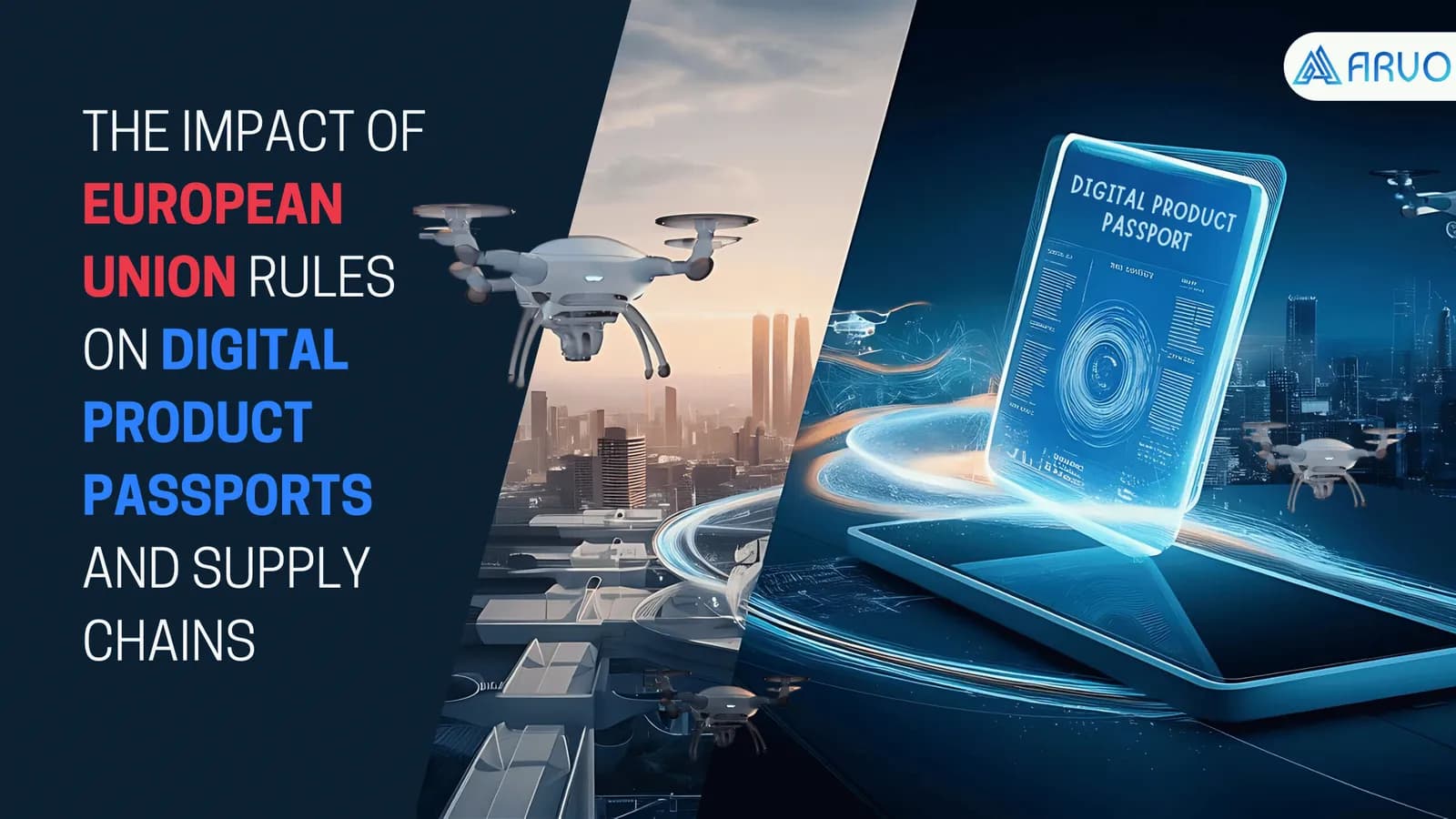
Counterfeits cost us billions annually. Don’t let your brand take the hit, protect product authenticity with a Digital Product Passport EU standards and access the European market with confidence.
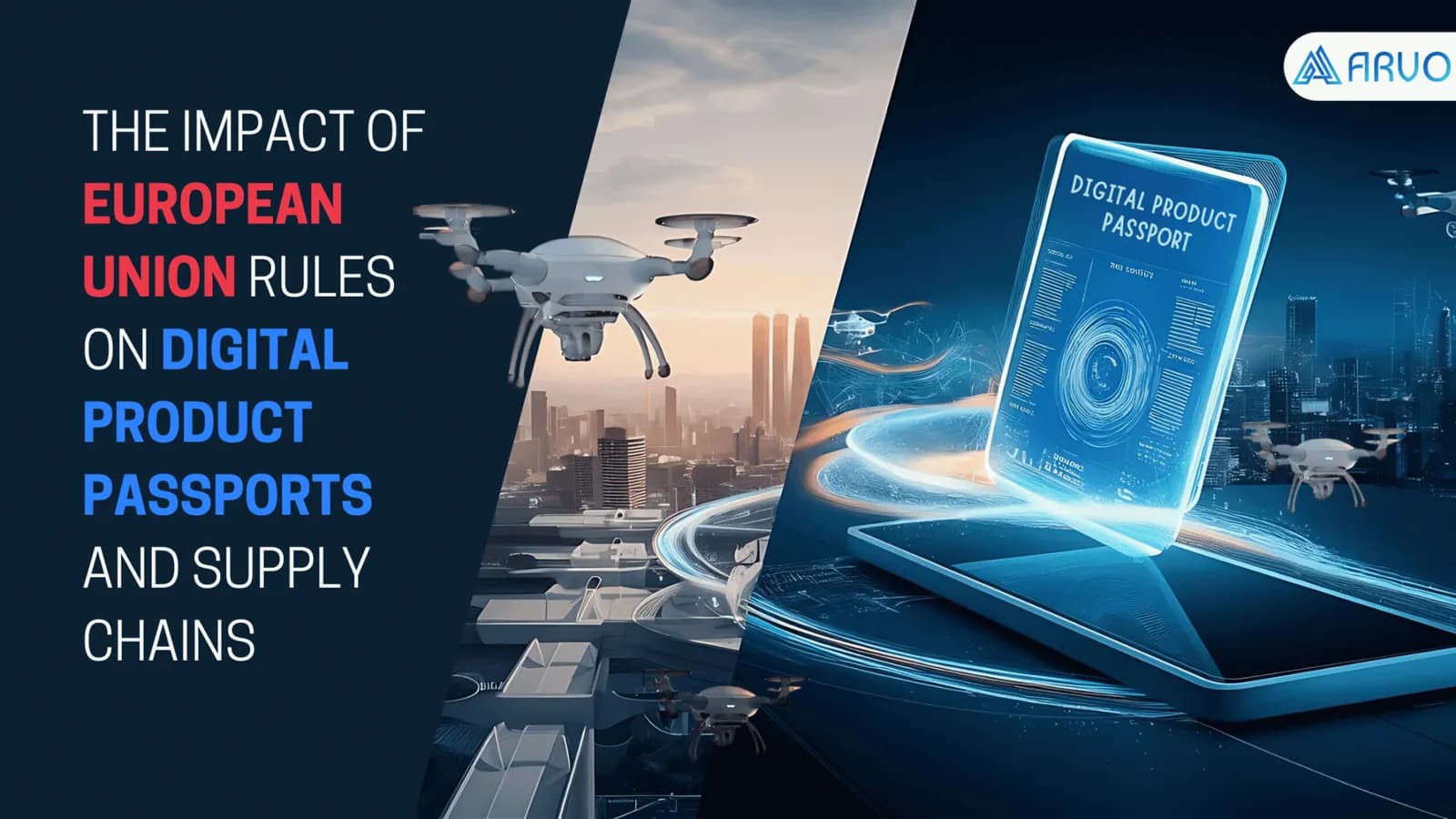
In today’s global marketplace, maintaining the authenticity and traceability of products is essential, especially within the European Union. Digital Product Passports (DPPs) are emerging as a crucial tool to meet these needs, ensuring every step of a product’s journey is transparent and secure. This is particularly important as new EU regulations come into effect.
A Digital Product Passport (DPP) is a digital record that tracks the lifecycle of a product. This innovative approach enhances transparency and combats counterfeiting, which has become a significant concern across various European industries.
How European Union Regulations Impact DPPs
The European Union has recently introduced new regulations aimed at increasing transparency and sustainability in supply chains. These regulations mandate the implementation of Digital Product Passports for various products, ensuring they meet stringent environmental and safety standards.
EU Product Traceability Regulations require that detailed information about a product’s lifecycle, from raw materials to end-user delivery, be documented and accessible. This legislation aims to foster greater accountability and sustainability within European supply chains.
Implementing blockchain for data security within DPPs ensures the recorded data remains immutable and tamper-proof. This level of security is critical for maintaining the integrity of product information and building consumer trust across European markets.
How Digital Product Passport (DPPs) Work?
A Digital Product Passport aggregates data from various sources, creating a comprehensive digital profile for each product. This profile includes information such as the origin of raw materials, manufacturing processes, quality control checks, and logistics details.
The Digital Product Passport utilizes technologies like IoT (Internet of Things) devices and QR codes to gather and transmit data in real time. These technologies provide a seamless way to capture and store critical product information, adhering to European regulations.
Ensuring authenticity verification of products is one of the primary goals of DPPs. By integrating IoT devices and blockchain technology, manufacturers can provide indisputable proof of a product’s authenticity to their customers throughout Europe.
IoT solutions for product authentication play a significant role in the effectiveness of DPPs. These solutions enable real-time data capture, allowing manufacturers to monitor and verify the authenticity and condition of their products throughout the European supply chain.
Benefits of Implementing DPPs
The implementation of Digital Product Passports benefits manufacturers, retailers, and consumers alike.
With a Digital Product Passport, manufacturers can enhance their brand’s reputation by providing transparent and verifiable product information. This transparency helps build consumer trust and loyalty across the European market.
Improved Product Traceability also means that manufacturers can quickly identify and address any issues that arise in the supply chain. This proactive approach can prevent potential recalls and reduce the risk of reputational damage.
By using blockchain for data security, companies can ensure that all recorded data is secure and immutable. This level of security is essential for maintaining the integrity of the DPP and protecting sensitive information from tampering or fraud.
The Role of ARVO in Implementing DPPs
At ARVO, we specialize in providing cutting-edge solutions for authenticity verification and product traceability. Our offerings include copy-proof NOVA codes and Vision AI to help brands integrate these technologies into their products seamlessly. By utilizing blockchain for data security, we ensure that your product’s journey from raw materials to the customer is transparent and tamper-proof.
To learn more about how ARVO can help you safeguard your products and build consumer trust in the European market, contact us today. Let us help you create a unique and sustainable brand presence in the market with our comprehensive authenticity verification and product traceability solutions.
Questions answered in this article
- What is a Digital Product Passport (DPP)?
- A digital record that tracks a product's lifecycle from raw materials to the end customer. It holds the product's origin, manufacturing process, quality control and logistics details.
- How do EU regulations affect Digital Product Passports?
- EU regulations require detailed information about a product's lifecycle to be documented and accessible through a Digital Product Passport. The aim is more transparency, sustainability and accountability in European supply chains.
- What technologies does a Digital Product Passport use?
- IoT devices and QR codes capture and transmit data in real time, and blockchain keeps that data secure and unchangeable.
- What are the benefits of a Digital Product Passport for manufacturers?
- A stronger brand reputation through transparent, verifiable product information, faster identification of supply chain issues, and more consumer trust.
- How can ARVO help with a Digital Product Passport?
- ARVO brings together copy-proof NOVA codes, Vision AI and blockchain-secured records so that a product's journey from raw materials to the customer is transparent, secure and verifiable.
Sources
- Digital Product Passports (DPPs), Circularise