How Fake Electronic Parts Are Secretly Destroying Your Device’s Lifespan
Fake electronic parts cause overheating, failures, poor power efficiency and void warranties. Learn the warning signs and how to keep fakes out of devices.
By Abhijeet Kumar, ARVOPublished Updated 6 min read
In short
Fake electronic parts shorten a device's life because they are not built to the specifications of genuine parts: they overheat, fail more often and waste power, and finding them can void the warranty. Warning signs are unusually low prices, unauthorised sellers, missing certifications and poor packaging. Buying from authorised sources and checking authenticity marks keeps them out.
- Counterfeit components often look identical to genuine ones outside but are far inferior inside.
- Fake parts cause overheating, higher failure rates and poor power efficiency, which shortens a device's life.
- Many manufacturers void the warranty if counterfeit parts are found in a device.
- Warning signs include unusually low prices, unauthorised sellers, missing certifications and poor packaging.
- In healthcare, aerospace and telecommunications, a counterfeit component can cause life-threatening failures.
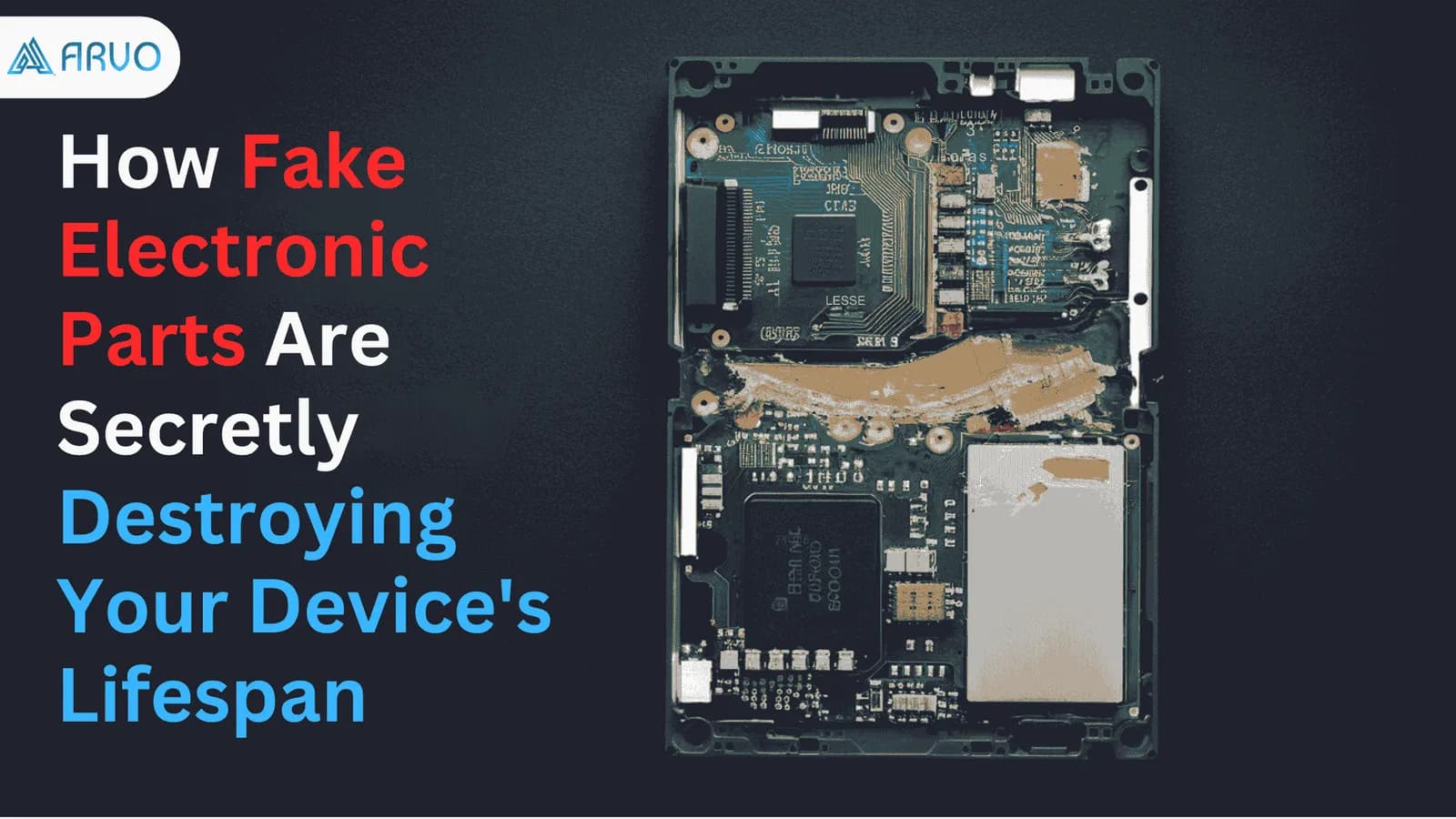
In today’s fast-paced digital world, our reliance on electronic devices has grown immensely. Whether it’s a smartphone, laptop, or even a medical instrument, these tools have become crucial to our daily routines. However, with this increasing demand comes a darker reality, the growing infiltration of fake electronic parts. These counterfeit components, while cheaper and more accessible, present a serious threat to the longevity and performance of your devices.
Despite their low cost, the hidden damage that fake components inflict on your electronics can be devastating, often leading to unexpected malfunctions, reduced efficiency, and ultimately, a shorter lifespan for your devices. Understanding how counterfeit parts affect your device and what measures can be taken to avoid them is crucial to maintaining performance and safety.
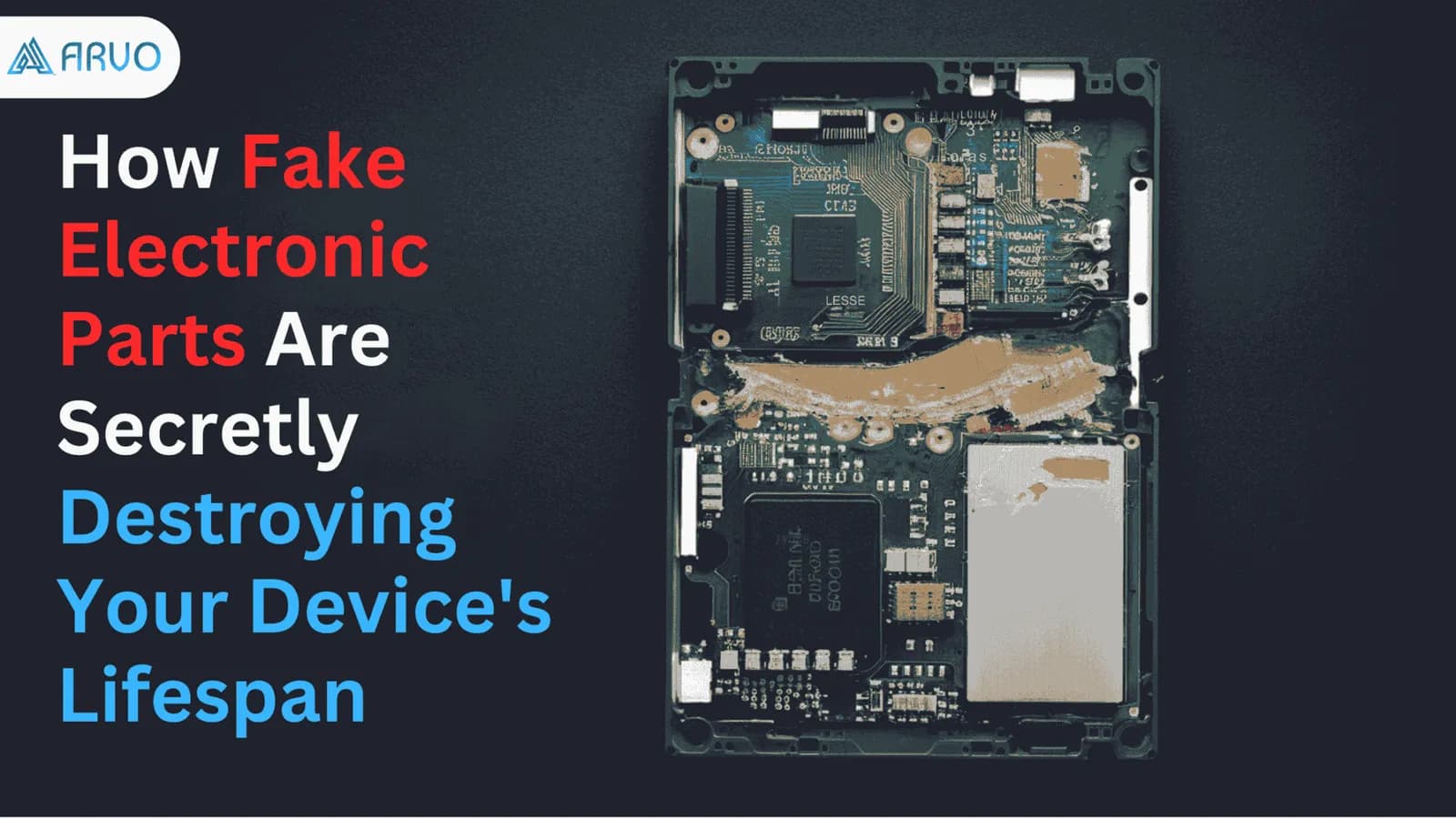
Why Counterfeit Electronic Parts Are a Growing Threat
The global market for electronic devices is vast, and with it, the problem of fake parts has grown equally significant. As supply chains become more complex and harder to monitor, counterfeiters have found new ways to infiltrate the market, producing parts that appear identical to genuine ones. These fake electronic parts often make their way into the hands of unsuspecting consumers and even manufacturers, putting millions of devices at risk.
What makes this problem particularly concerning is the difficulty in detecting counterfeit components. They may look identical to authentic parts on the outside, but inside, their quality is far inferior. As a result, they compromise the durability and performance of any device they’re integrated into. The cost savings gained by opting for cheaper counterfeit parts often result in higher costs over time due to breakdowns, repairs, and even safety hazards.
How Fake Electronic Parts Reduce Your Device’s Lifespan
The impact of fake components on your devices can be severe. These substandard parts are not built to withstand the demands placed on them, leading to several damaging effects over time. Here’s how counterfeit electronic components secretly destroy your device’s lifespan:
- Overheating: One of the most common issues caused by fake electronic parts is overheating. Genuine parts are engineered to handle specific power loads, ensuring heat is distributed and dissipated properly. Counterfeit parts, on the other hand, often fail to meet these specifications, causing your device to overheat, which can damage the entire system.
- Increased Failure Rates: Devices that use counterfeit parts are more prone to sudden malfunctions. Whether it’s a failure to boot up, random shutoffs, or malfunctioning hardware, fake electronic parts are less reliable, leading to increased failure rates. Over time, these failures degrade the overall performance of the device and eventually render it unusable.
- Poor Power Efficiency: Genuine parts are optimized for power efficiency, ensuring that your device runs smoothly without drawing excess energy. Fake components, however, often lack this optimization, resulting in inefficient power use. This not only shortens battery life but can also cause components to wear out faster.
- Voiding Warranties: Many device manufacturers void warranties if counterfeit parts are discovered in the product. This means that if you unknowingly use fake components and your device fails, you could be left without support or protection from the manufacturer. This adds additional long-term costs, as you may have to cover the repairs or replacement yourself.
How to Spot and Avoid Fake Electronic Parts
Spotting counterfeit parts can be tricky, especially since they are designed to look as close to authentic as possible. However, there are a few key indicators that can help you identify fake components before they do significant damage to your device:
- Unusually Low Prices: If a deal seems too good to be true, it probably is. Fake parts are often sold at a fraction of the price of genuine components, making them tempting to budget-conscious buyers. However, the lower cost usually reflects inferior quality and performance.
- Suspicious Retailers: Always purchase from reputable and authorized retailers. Counterfeit electronic parts are often distributed through unauthorized sellers who may not offer proper warranties or support.
- Lack of Certifications: Genuine parts often come with certifications or marks that indicate they have passed safety and quality checks. Counterfeit parts frequently lack these, and the absence of proper labeling can be a red flag.
- Poor Packaging: Authentic parts are typically packaged carefully and securely. If you receive components with damaged, poorly printed, or inconsistent packaging, there’s a good chance they’re counterfeit.
The Real Cost of Using Fake Components
While the initial savings of using fake electronic parts may seem appealing, the long-term costs far outweigh the benefits. Devices fitted with counterfeit components experience more frequent malfunctions, increased repair costs, and often, a significantly reduced lifespan. Over time, these issues not only drain your finances but also reduce your productivity and, in some cases, can pose serious safety risks.
For industries that rely on high-performance electronics, such as healthcare, aerospace, and telecommunications, the consequences of using fake components can be catastrophic. A malfunction in medical equipment or an avionics system due to counterfeit parts could result in life-threatening situations, making it crucial for businesses to ensure they use only genuine components.
How to Safeguard Your Devices from Counterfeit Parts
Protecting your devices from fake electronic parts requires vigilance and awareness. Here are some steps you can take to ensure your electronics remain safe:
- Buy from Trusted Sources: Always purchase electronic components from authorized dealers or directly from the manufacturer. Avoid buying parts from unknown or unauthorized vendors, especially online marketplaces where counterfeit goods are prevalent.
- Check for Authenticity Marks: Many manufacturers include security features such as holograms, QR codes, or RFID tags that help verify the authenticity of their products. Always check for these when purchasing new parts.
- Verify Warranty and Support: Ensure that the parts you are purchasing come with a valid warranty and access to customer support. This is a good indicator that the components are genuine and backed by the manufacturer.
- Regular Maintenance and Inspections: For businesses or industries that rely on electronic equipment, regular maintenance and inspection of components are crucial. By catching counterfeit parts early, you can avoid more significant damage and costly repairs down the line.
Conclusion: Protecting Your Device’s Lifespan
In a market flooded with counterfeit electronics, the risks of using fake electronic parts are more pressing than ever. These components may offer short-term savings, but their long-term impact on your device’s lifespan, performance, and safety can be devastating. By choosing genuine parts and purchasing from trusted sources, you can ensure that your devices not only last longer but also perform reliably. In the end, investing in quality components is the smartest way to protect both your electronics and your wallet.
Questions answered in this article
- How do fake electronic parts affect device performance?
- They often cause malfunctions, overheating and poor power efficiency, all of which degrade performance and shorten the device's life.
- Why do counterfeit parts cause overheating?
- They are not built to the thermal and power specifications of genuine parts, so heat builds up instead of being dissipated, which can damage the whole system.
- How can I tell if an electronic part is fake?
- Watch for unusually low prices, unauthorised sellers, missing certifications or safety marks, and damaged or poorly printed packaging. Check for authenticity features such as holograms, QR codes or RFID tags.
- What are the financial risks of using fake components?
- Costly repairs, voided warranties and more frequent replacements, which wipe out any initial saving.
- Which industries are most at risk from counterfeit electronics?
- Healthcare, aerospace and telecommunications, where a device malfunction can have serious safety consequences.