The Future of Non-Clonable QR Codes
The future of non-cloneable QR codes: why ordinary QR codes are easy to copy, how unique cryptographic codes verify every scan, and where they are used.
By Abhijeet Kumar, ARVOPublished Updated 3 min read
In short
Non-cloneable QR codes give each code a unique cryptographic identity, so every scan is checked against the original record instead of simply opening a URL. A copied or screenshotted pattern fails to validate. That makes them a base layer for product authentication, traceability, digital product passports and compliance in automotive parts, pharmaceuticals, chemicals and industrial equipment.
- A traditional QR code only points to a URL, so a screenshot or copy works just as well as the original.
- Non-cloneable QR codes carry embedded randomness and a unique cryptographic identity, so every scan becomes a verification step.
- A copied pattern does not validate against the original database.
- Uses go beyond consumer goods to spare parts, medicines, chemicals and industrial equipment, where authenticity and compliance are critical.
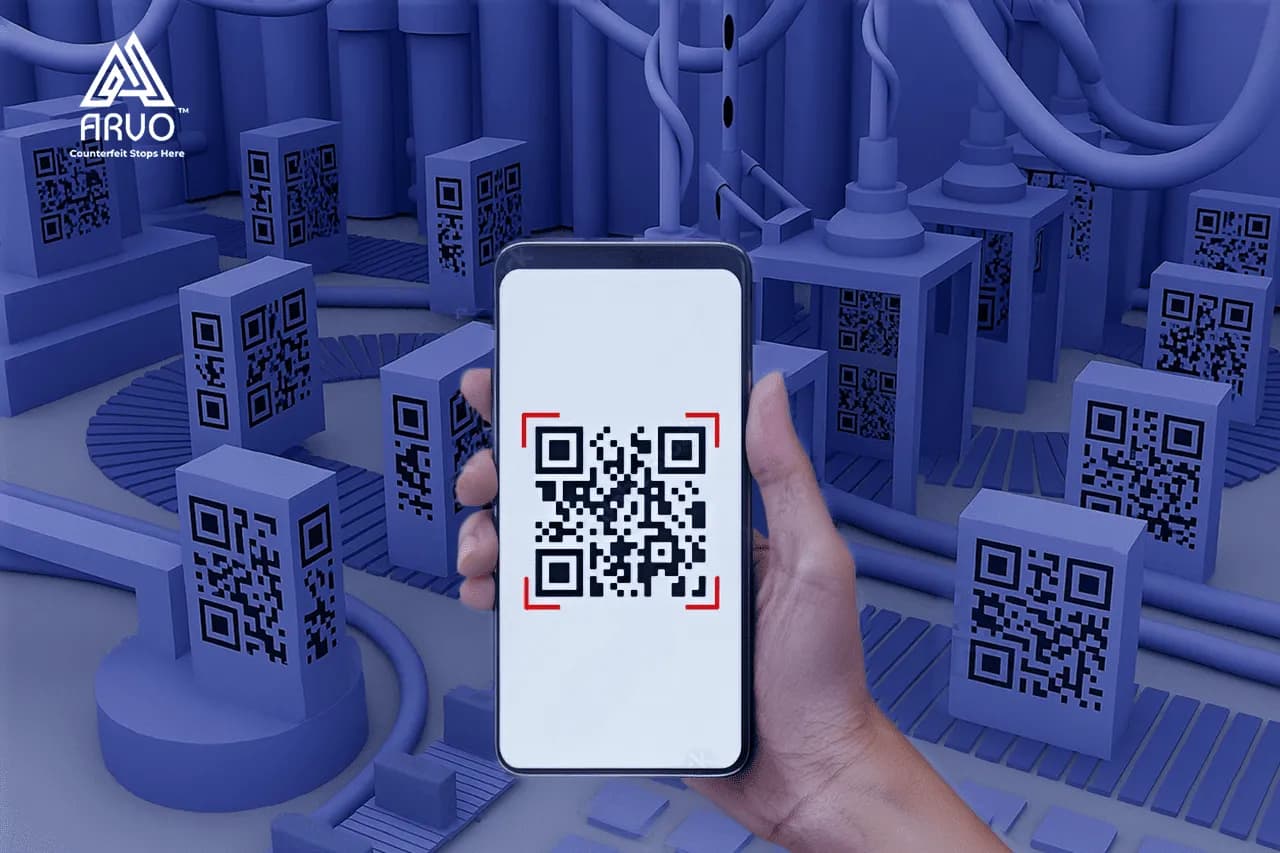
Future of Non-Cloneable QR Codes is being shaped by a simple but critical reality: in a hyper-digital world, the familiar square pattern has become the gateway to everything, from payments and onboarding to product authentication and compliance. Yet traditional QR codes were never designed for security. They can be copied, screenshot, and duplicated effortlessly. If a legitimate customer can scan it, so can a counterfeiter.
This is where non-cloneable QR codes redefine the landscape. They are not merely “smarter QR codes” they represent an entirely new class of security technology. By embedding cryptographic and physical uniqueness into each code, they make duplication virtually impossible and transform a static symbol into a dynamic trust anchor.
Their potential extends far beyond anti-counterfeiting. Non-cloneable QR codes will underpin next-generation supply chains, enable verifiable digital identities for physical products, power regulatory compliance, and bridge the physical and digital worlds with provable trust. As industries demand real-time authenticity, traceability, and transparency, these codes will become a foundational layer of the modern digital economy.
Why Traditional QR Codes Fall Short
Most QR codes are static, anyone with a scanner can copy them and reuse them. This makes them vulnerable in industries where trust and authenticity are non-negotiable.
- Easy duplication: A single screenshot can replicate a QR code endlessly.
- No authenticity check: They only direct to a URL, without verifying if the source is genuine.
- Counterfeit loophole: Fake QR codes can redirect customers to malicious sites.

What Makes Non-Clonable QR Codes Different?
Unlike static or even dynamic QR codes, non-clonable QR codes carry unique cryptographic identities. Every scan is not just a “redirect” but a verification step.
- Embedded randomness: Each QR code has unique digital randomness that cannot be copied.
- Scan-specific validation: Every scan can be checked against the original database.
- Tamper-proof: Even if someone copies the pattern, it won’t validate.
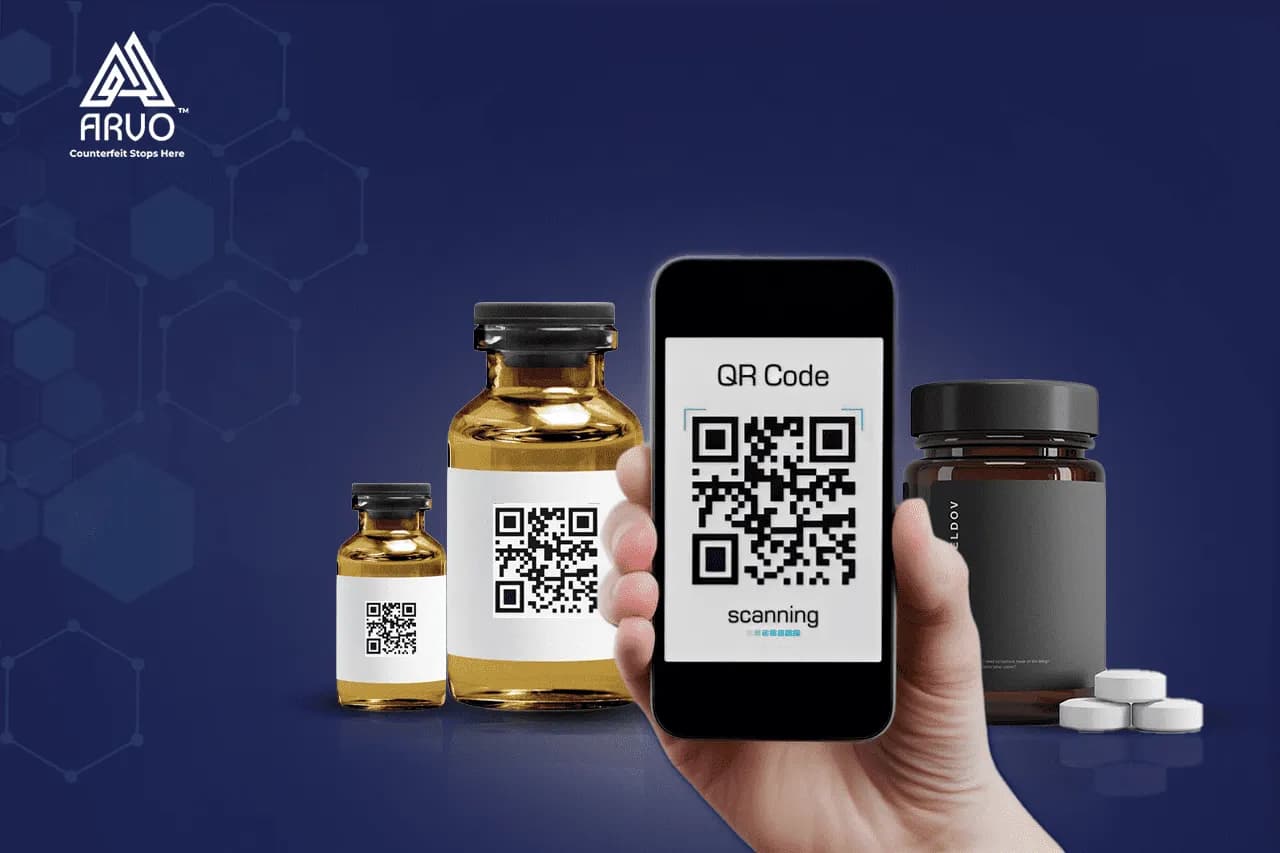
Real-World Applications Nobody is Talking About
While most people associate non-clonable QR codes with consumer goods or luxury products, their true power lies in transforming industrial sectors where compliance, safety, and authenticity are mission-critical.
- Automotive & Auto Components: Counterfeit spare parts are a multi-billion-dollar problem. Non-clonable QR codes can ensure that every brake pad, engine part, or battery comes with a verifiable digital product passport protecting driver safety and OEM revenues.
- Pharmaceuticals: With government mandates for QR-coded medicines, non-clonable QR codes go a step further by making these IDs extremely difficult to copy. This ensures genuine medicines reach patients, prevents counterfeit drugs, and builds trust in the supply chain.
- Chemicals: In an industry where mislabeling can cause safety hazards, non-clonable QR codes provide tamper-proof identification. They enable regulators and buyers to confirm chemical authenticity instantly, ensuring safe handling and compliance with strict global standards.
- Industrial Equipment Manufacturing: Expensive machinery and spare parts are often duplicated or diverted into gray markets. A non-clonable QR code embedded on each component verifies authenticity, supports faster recalls, and maintains operational reliability across industries.
Why This Matters Today
Counterfeit markets are worth $1.8 trillion globally, and digital scams are on the rise. In such an environment, trust is not just a value-add, it’s survival. Non-clonable QR codes don’t just protect businesses, they create brand loyalty by assuring customers they are buying the real thing.
ARVO’s Edge in Non-Clonable QR Codes
At ARVO, we don’t just create QR codes, we create trust ecosystems. With our non-clonable QR technology, brands gain:
- End-to-end traceability of products.
- Anti-counterfeiting protection that works in real time.
- Product authentication at every scan, from the factory floor to customer’s hand.
Conclusion
Non-clonable QR codes are not a trend. They are the next frontier of trust, security, and brand protection. Whether it’s a medicine bottle, a concert pass, or a luxury handbag, the power to prove authenticity in a single scan will reshape how customers interact with products. In short: Every scan tells a story. ARVO ensures it’s the right one.
Questions answered in this article
- Why are ordinary QR codes not secure?
- Most QR codes are static: they just direct to a URL and do not check whether the source is genuine. A single screenshot can replicate one endlessly, and fake codes can send customers to malicious sites.
- What makes a non-cloneable QR code different?
- Each code carries a unique cryptographic identity with embedded randomness that cannot be copied. Every scan is checked against the original database, so even if someone copies the pattern, it will not validate.
- Which industries can use non-cloneable QR codes?
- Beyond consumer and luxury goods, they suit automotive parts, where each component can carry a verifiable digital product passport; pharmaceuticals; chemicals, where mislabeling is a safety hazard; and industrial equipment, where spare parts are often copied or diverted.
- What does ARVO's non-cloneable code technology give brands?
- End-to-end traceability of products, anti-counterfeiting protection that works in real time, and product authentication at every scan from the factory floor to the customer's hand.