How Fake Machine Tools Compromise Manufacturing Efficiency and Safety
How counterfeit machine tools such as fake bearings, cutting tools and hydraulic parts hurt efficiency and worker safety, how to spot them and how to stop them.
By Abhijeet Kumar, ARVOPublished Updated 3 min read
In short
Counterfeit machine tools are imitations of genuine industrial tools and parts, such as bearings, cutting tools and hydraulic seals, that look identical but lack the precision and durability of the real thing. They cause breakdowns, production delays, voided warranties and accidents. Checking packaging, certification marks and price helps, and copy-proof codes allow instant verification.
- Common fakes include bearings that wear early, cutting tools with substandard edges, and hydraulic seals and fittings that leak.
- Fake tools can fail under stress; a counterfeit bearing breaking during high-speed operation is a serious risk to workers.
- Counterfeit parts raise maintenance costs, shorten equipment life and can void warranties.
- Warning signs are spelling errors or inconsistent logos on the packaging, missing quality marks and unusually low prices.
- Copy-proof codes on genuine tools let buyers verify them instantly.
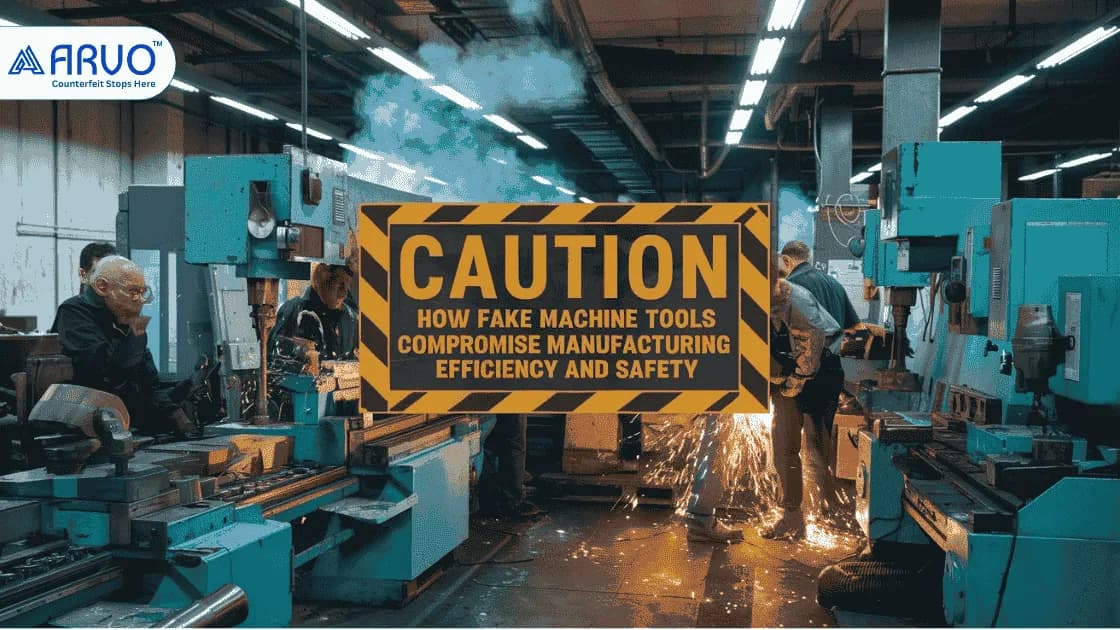
Counterfeit machine tools are a growing concern in the manufacturing industry, undermining operational efficiency and endangering worker safety. These fake industrial tools infiltrate supply chains, causing equipment failures, production delays, and safety hazards. With robust anti-counterfeiting solutions, manufacturers can protect their processes, safeguard their workforce, and ensure seamless operations.
What Are Counterfeit Machine Tools?
Counterfeit machine tools are fraudulent imitations of genuine industrial tools and components, often crafted to deceive buyers. While they may appear identical to the real thing, they lack the precision, quality, and durability required for industrial applications.
Common examples of counterfeit machine parts include:
- Bearings: Inferior materials lead to premature wear and mechanical failure.
- Cutting Tools: Substandard edges result in poor-quality machining and increased downtime.
- Hydraulic Components: Fake seals and fittings cause leaks and operational inefficiencies.
Counterfeit machine tools are the unseen threats crippling manufacturing operations from within.
These tools infiltrate the market due to their low cost and the difficulty of identifying them, but the long-term risks far outweigh the initial savings.
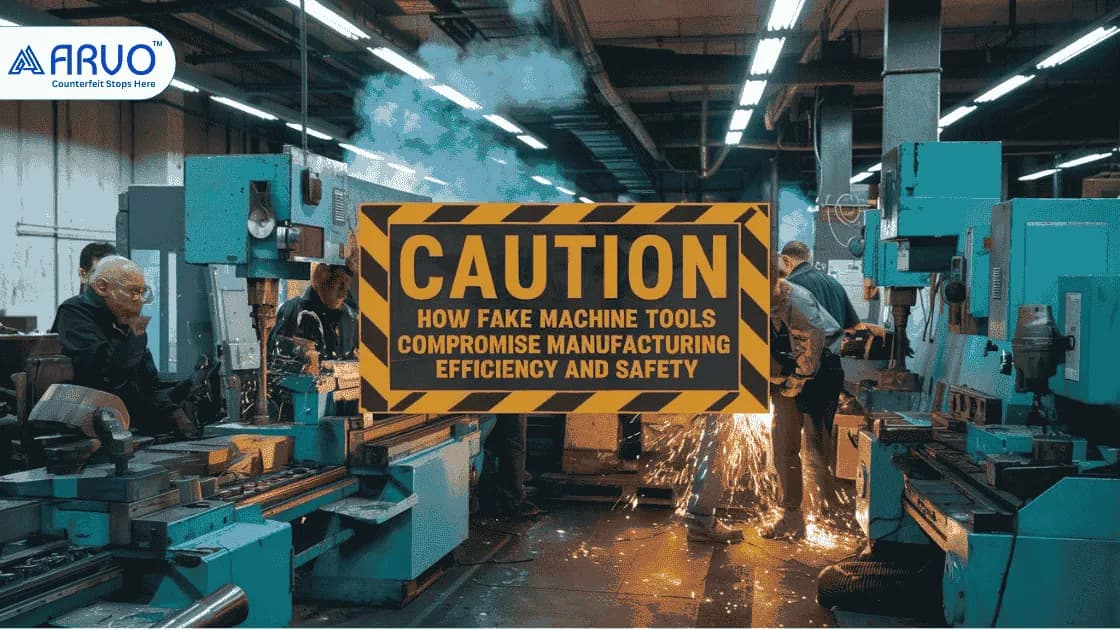
The Risks Associated with Counterfeit Machine Tools
The dangers of counterfeit tools extend beyond financial losses, affecting operational reliability and workforce safety.
1. Compromised Efficiency
Fake tools are often made with subpar materials and lack the precision required for seamless operation. This leads to frequent machine breakdowns, production delays, and reduced efficiency.
2. Safety Hazards
Counterfeit tools can fail under stress, causing accidents and injuries. For example, a fake bearing can break during high-speed operations, posing a serious risk to workers.
3. Financial Implications
Using counterfeit components increases maintenance costs and reduces the lifespan of equipment. Additionally, warranties are often voided when counterfeit parts are detected, leading to further expenses.
4. Reputational Damage
Defective products resulting from fake industrial tools tarnish a manufacturer’s reputation and erode customer trust.
When it comes to manufacturing safety, there is no room for compromise.
Spotting Counterfeit Machine Tools
Identifying fake tools is challenging, but vigilance and technology can help manufacturers avoid these pitfalls. Here are some tips:
- Examine the Packaging: Look for spelling errors, inconsistent logos, or signs of tampering.
- Check for Certifications: Genuine parts often come with quality assurance marks or labels.
- Inspect the Price: Unusually low prices are often a red flag for counterfeit goods.
The devil is in the details when it comes to spotting counterfeit tools.
The Solution: Anti-Counterfeiting Technologies
Leading manufacturers are leveraging advanced anti-counterfeiting measures to safeguard their tools and processes:
- Copy-Proof QR Codes: These secure codes allow instant verification of a tool’s authenticity.
- Tamper-Proof Labels: These labels show if a product’s integrity has been compromised.
Technology is the frontline defense against counterfeiting in manufacturing.
How ARVO Can Help Protect Your Manufacturing Operations
At ARVO, we specialize in cutting-edge anti-counterfeiting solutions tailored for the manufacturing industry. Our copy-proof NOVA codes help confirm the authenticity of your machine tools and components, protecting your operations from counterfeit risks. By integrating our solutions, you can enhance supply chain transparency, maintain operational efficiency, and prioritize worker safety.
Contact ARVO today to learn how we can secure your manufacturing processes and help you stay one step ahead of counterfeiters.
Questions answered in this article
- What are counterfeit machine tools?
- Fake replicas of genuine industrial tools and components that fail to meet quality and safety standards. They may look identical to the real part but lack its precision and durability.
- Why are counterfeit tools dangerous?
- They cut efficiency, shorten equipment life and can fail under stress because of substandard materials and design, which puts workers at risk.
- How can manufacturers identify counterfeit tools?
- Check the packaging for spelling errors, inconsistent logos or signs of tampering, look for certification marks, and treat unusually low prices as a red flag. Copy-proof codes and tamper-proof labels make authentication instant.
- What technologies help fight counterfeit tools?
- Blockchain records, copy-proof codes and tamper-proof labels all help identify and prevent counterfeits.
Sources
- Counting the cost: how counterfeit car parts are draining the auto industry, Autocar Professional
- Blockchain, Wikipedia