Counterfeit Pharmaceuticals: A Growing Threat to the Industry
Counterfeit pharmaceuticals can carry wrong doses, harmful ingredients or no active ingredient. See the risks, how to spot fake medicines and how to stop them.
By Abhijeet Kumar, ARVOPublished Updated 4 min read
In short
Counterfeit pharmaceuticals are fake medicines that may contain the wrong dose, harmful ingredients or no active ingredient, causing treatment failure and harm. To spot them, check the packaging and seals, compare the medicine's colour, size and shape, buy only from licensed pharmacies, and use the manufacturer's authentication features such as secure QR codes.
- Counterfeit medicines often contain incorrect doses, harmful ingredients or no active ingredient at all.
- Warning signs include misspellings, poor print quality, broken seals and pills that differ in colour, size, shape, odour or texture.
- Buying from licensed pharmacies and authorised distributors, not unverified online sellers, cuts the risk.
- Manufacturers can protect their supply chain with trusted suppliers, strict quality control, staff training, serialisation and blockchain traceability.
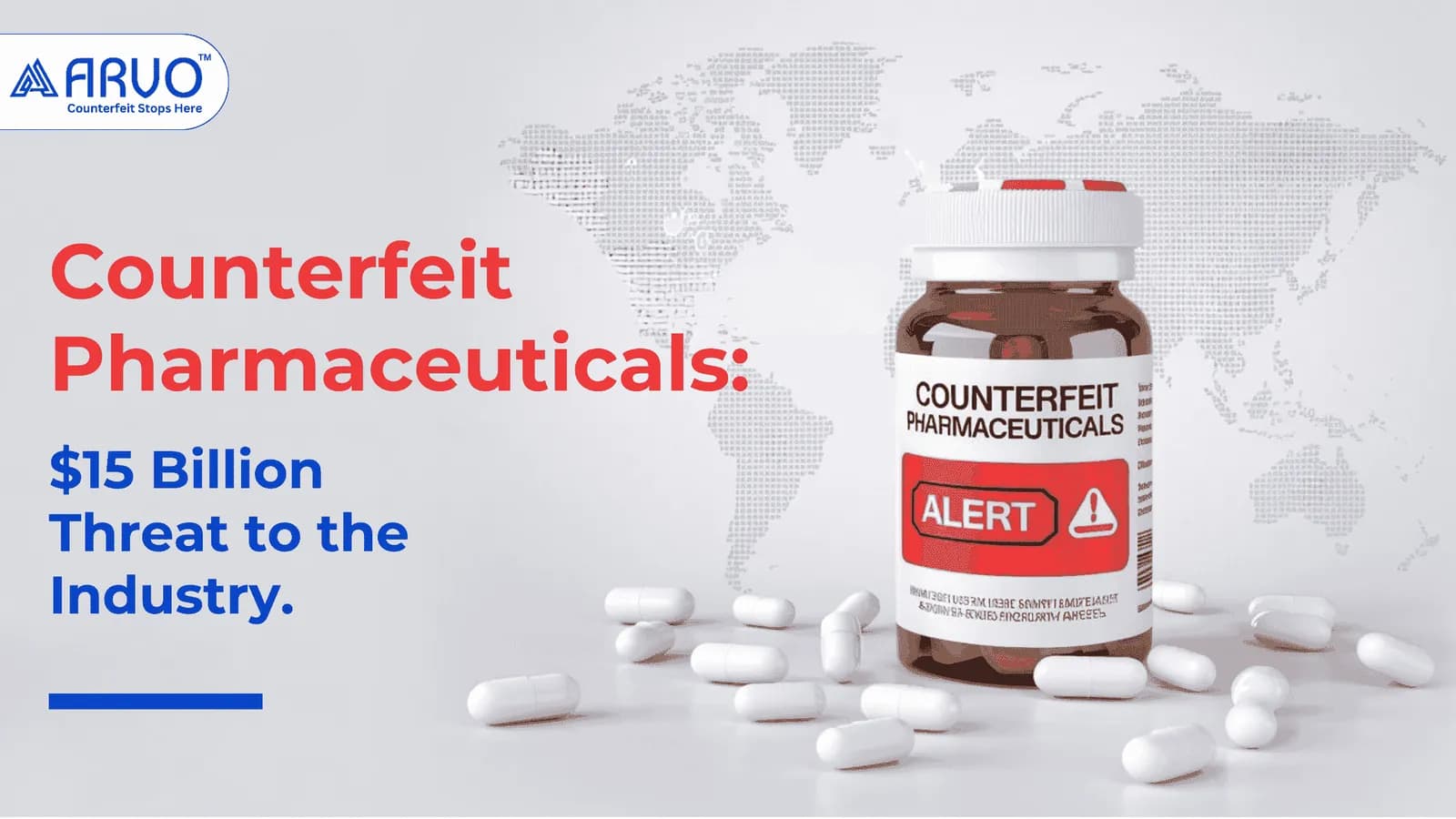
In a world where every pill could mean the difference between life and death, counterfeit pharmaceuticals are an insidious threat. These fake medications jeopardize patient health, erode trust in healthcare systems, and drain billions from the pharmaceutical industry’s innovation budget. It’s time to uncover the full scope of this crisis and take decisive action to protect both lives and the future of medicine.
Counterfeit pharmaceuticals pose a significant threat to global health and the economy. These illicit products not only endanger patients but also inflict substantial financial losses on the pharmaceutical industry. Understanding the scope of this issue is crucial for developing effective countermeasures.
The Growing Problem of Counterfeit Pharmaceuticals
The proliferation of counterfeit drugs has escalated in recent years, affecting both developed and developing nations. These fake medications often contain incorrect dosages, harmful ingredients, or no active ingredients at all, leading to treatment failures and adverse health outcomes.
Why Counterfeit Pharmaceuticals Are Dangerous
- Health Risks: Patients may experience worsened health conditions or unexpected side effects.
- Loss of Trust: Counterfeit drugs erode public confidence in healthcare systems.
- Economic Impact: The pharmaceutical industry suffers significant revenue losses, impacting research and development.
How to Identify Counterfeit Pharmaceuticals
Learn how to identify counterfeit products because detecting counterfeit drugs requires vigilance and awareness of certain indicators:
1. Check the Packaging
- Authentic Packaging: High-quality materials, clear printing, and intact seals.
- Counterfeit Signs: Misspellings, poor print quality, and broken or tampered seals.
2. Inspect the Medication
- Authentic Medication: Consistent color, size, and shape with a uniform appearance.
- Counterfeit Signs: Variations in color, size, or shape, and unusual odors or textures.
3. Verify the Source
- Trusted Sources: Licensed pharmacies and authorized distributors.
- Risky Sources: Unverified online sellers or street vendors.
4. Utilize Anti-Counterfeiting Technology
- Features: Holograms, QR codes, and tamper-evident seals provided by manufacturers.
- Verification: Use official apps or websites to confirm authenticity.
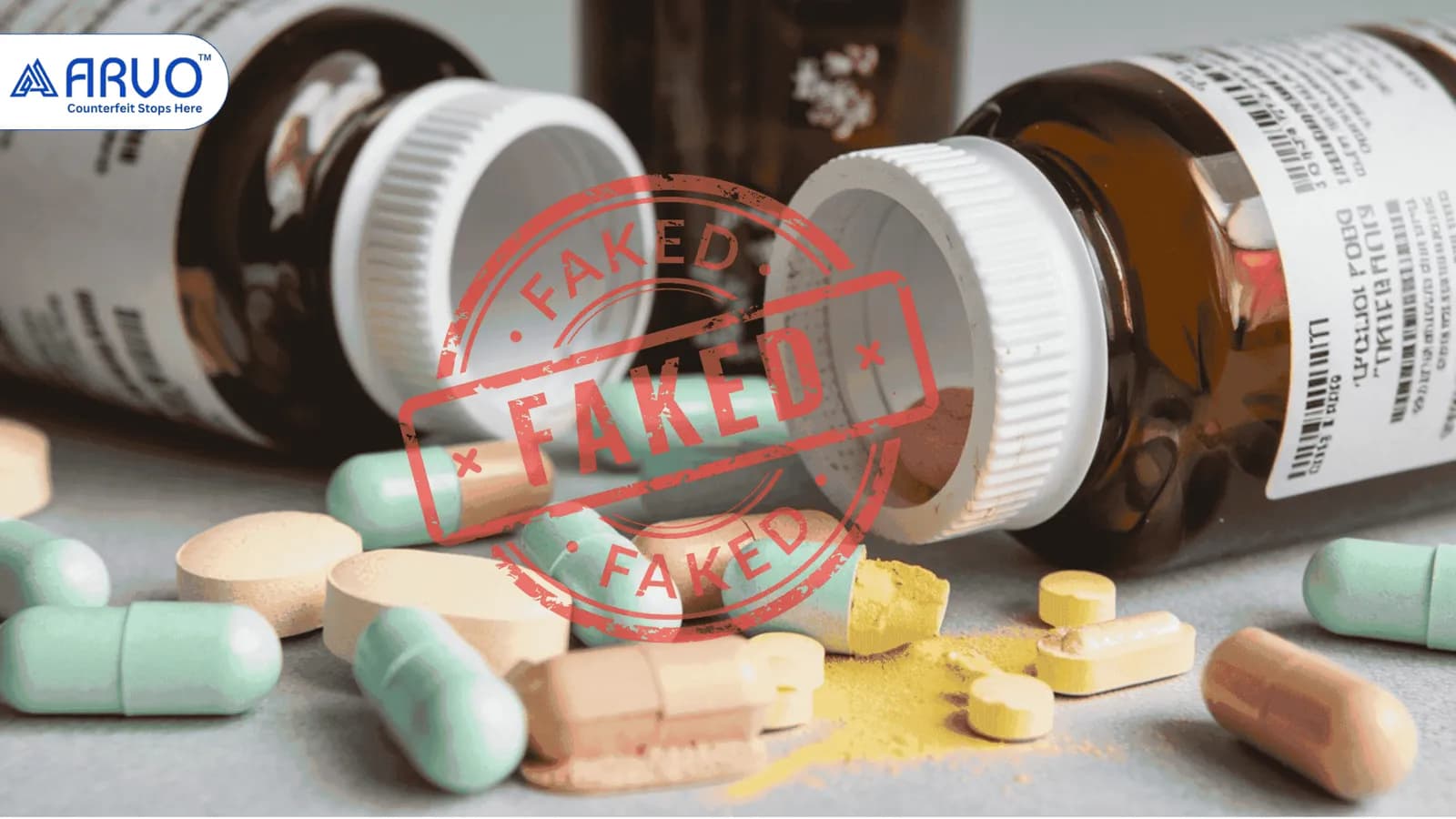
Steps to Prevent Counterfeit Pharmaceuticals in Your Supply Chain
- Establish Relationships with Trusted Suppliers: Work exclusively with verified and reputable sources.
- Implement Strict Quality Control Measures: Regularly inspect products and packaging for authenticity.
- Educate Staff and Consumers: Provide training on identifying counterfeit products and encourage reporting of suspicious items.
- Adopt Advanced Tracking Technologies: Utilize serialization and blockchain for product traceability.
Why Authentic Pharmaceuticals Are Worth the Investment
Investing in genuine pharmaceuticals ensures:
- Patient Safety: Effective treatment and reduced risk of adverse effects.
- Maintained Brand Reputation: Consumer trust in the quality and efficacy of products.
- Support for Innovation: Funds directed towards research and development of new therapies.
Conclusion
Counterfeit pharmaceuticals present a serious threat to public health and the global economy. By staying informed and vigilant, and by utilizing advanced authentication technologies, we can protect ourselves and our communities from the dangers posed by counterfeit drugs.
Protect your health and the integrity of the pharmaceutical industry by staying informed and vigilant against counterfeit drugs. For product authentication solutions, contact ARVO today.
Questions answered in this article
- What are counterfeit pharmaceuticals?
- They are fake medicines that are fraudulently produced and sold, often with incorrect or harmful ingredients.
- How can I identify counterfeit drugs?
- Look for poor packaging quality, misspellings and broken seals, and for differences in the medicine's colour, size or shape. Check the source, and use authenticity features such as QR codes or holograms through the manufacturer's official app or website.
- What should I do if I suspect a medicine is counterfeit?
- Do not take it, and report it to the relevant health authorities or to the manufacturer straight away.
- What are the risks of taking counterfeit medicines?
- Treatment can fail, patients can suffer adverse effects or worsening conditions, and toxic ingredients can cause direct harm.
- Why should medicines be bought only from authorised sources?
- Licensed pharmacies and authorised distributors are far more likely to supply genuine products, which reduces the risk of receiving counterfeit medicines.
Sources
- Combating counterfeit and substandard medicines in India: legal framework and the way ahead, Journal of Social Sciences
- Pharmaceutical industry suffers significant revenue losses, PubMed Central (NCBI)