Smart Recall Management: How AI and Traceability Prevent Pharma Crises
Smart recall management uses AI, blockchain traceability and IoT data to spot risks early, find affected pharma batches fast and run targeted recalls.
By Abhijeet Kumar, ARVOPublished Updated 5 min read
In short
Smart recall management combines AI, blockchain-based traceability and IoT data. Machine learning flags anomalies such as temperature or humidity changes in transit before they become critical, a unique identity on each unit lets companies find affected batches at once and recall only those, and automated alerts reach distributors, regulators and patients faster than manual processes.
- Conventional recalls rely on manual work, disconnected databases and reactive communication, so defective batches are often already with distributors, pharmacies or patients.
- AI models read quality, environmental and manufacturing data in real time and warn of risks before a recall becomes necessary.
- Blockchain-based traceability gives each unit a distinct digital signature, so recalls can be targeted instead of sweeping.
- Automated alerts cut response time and human error when a recall has to reach many stakeholders.
- With IoT sensors feeding an AI platform, a cold-chain failure in transit is spotted as it happens and the exposed batches are recorded and isolated.
Product recalls are among the most feared occurrences in the pharmaceutical industry, not only because of the financial losses they cause but also due to their direct impact on patient safety and public trust. A single incorrectly labeled shipment or contaminated batch can rapidly spread across global supply chains, endangering lives and damaging reputations built over decades. However, as the industry becomes increasingly data-driven, smart recall management powered by AI-driven traceability is transforming how recalls are handled, shifting responses from reactive crisis control to proactive, precise, and controlled action.
The Recall Issue: An Expensive and Risky Fact
Recalls of pharmaceuticals are not unique phenomena – the FDA manages hundreds of them annually. Others are minor labeling problems; others are life-threatening contamination or dosage mistakes. The conventional recall management is based on manual operations, disjointed databases, and reactive communication. When a defective batch is discovered, it is usually already in the hands of distributors, pharmacies or patients.
Enter Smart Recall Management
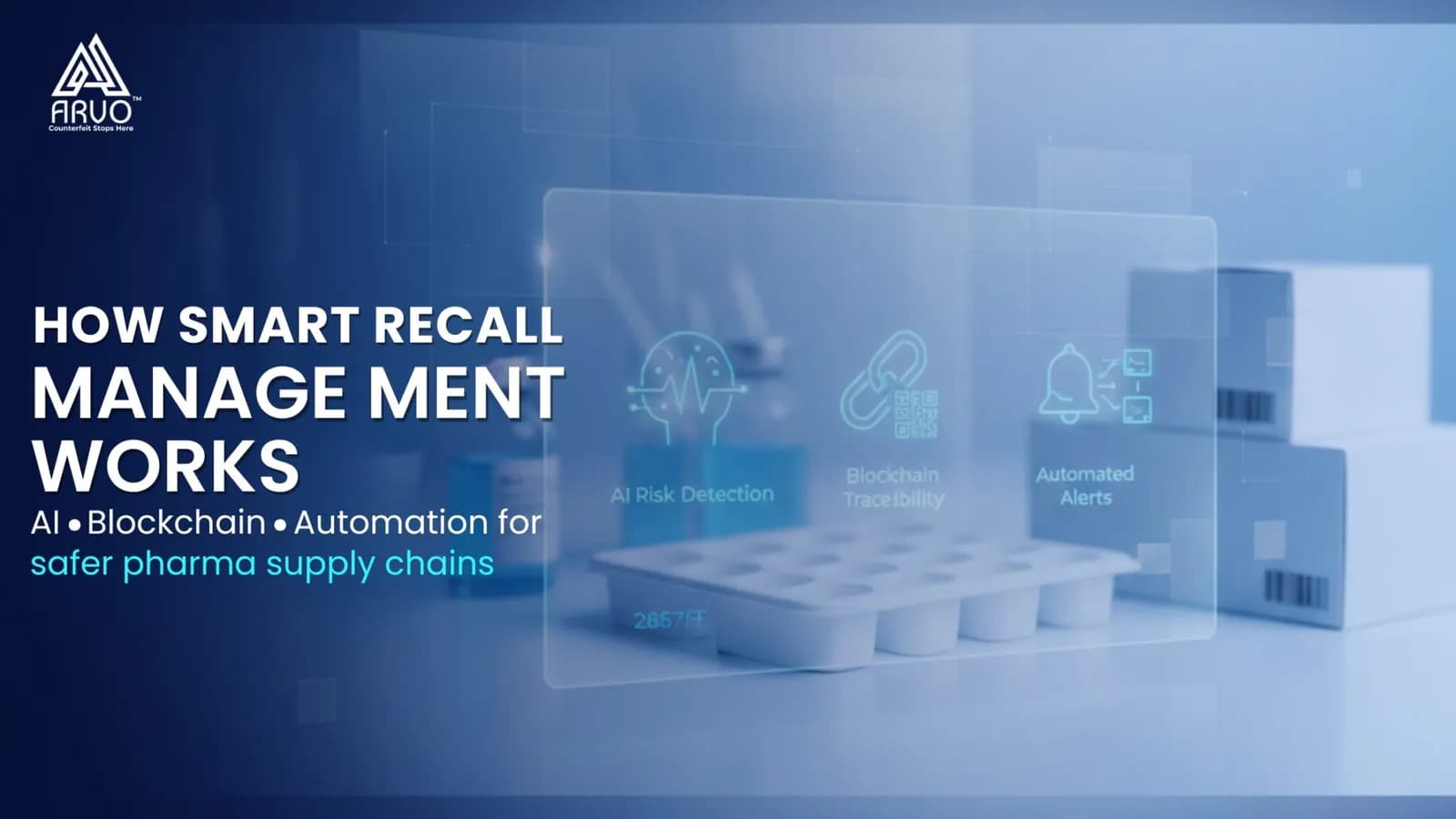
Smart recall management uses artificial intelligence, traceability based on blockchain, and Internet of Things (IoT) data to develop an intelligent end-to-end visibility system. It not only tracks, but it also predicts, prevents, and automates.
Here’s how it works:
1. AI‑Powered Risk Detection
Quality control data, environmental readings, and manufacturing parameters are analyzed in real-time by machine learning models. In case of anomalies, such as a minor change in temperature or humidity during transportation, AI will be able to warn about possible risks before they become critical. Such an early warning enables pharma companies to take action before a recall is required.
2. Blockchain-Based Traceability
Blockchain presents a transparent and unchangeable registry of all the actions of a drug, starting with the extraction of raw materials and ending with its ultimate distribution. Under this system, each unit has a distinct digital signature, which is usually encoded through non-cloneable QR codes or RFID tags.
Companies are able to identify affected batches immediately in case of a recall, and therefore they can conduct targeted recalls rather than sweeping, expensive product recalls.
3. Automated Response and Communication.
The AI chatbots and automated alert systems can immediately inform all stakeholders, including manufacturers, distributors, regulators, and even patients, about a recall incident. This significantly decreases the response time and human error. There are even systems that are integrated with national health databases to enable real-time compliance and monitoring of recalls.
The Benefits: Reactive to Predictive
Pharmaceutical companies will no longer rely on a reactive recall model, but rather a predictive and precision-based one with AI and traceability:
- Reduced Response Time: Automated systems detect and isolate faulty batches in hours rather than days.
- Lower Recall Expenses: Focused recalls imply fewer wastes and fewer financial losses.
- Improved Patient Safety: Tracking and real-time alerts help avoid the delivery of dangerous drugs to patients.
- Regulatory Compliance: The immutable blockchain records make audits easier and support compliance with FDA, EMA, and WHO requirements.
- Greater Brand Trust: Traceability and active safety precautions enhance consumer trust.
Case Study: The Strength of Data Transparency
Consider a situation in which a temperature-sensitive shipment of vaccines has a small cooling malfunction during transit. Conventional systems may not realize the problem until it is received, too late to avoid distribution. However, when IoT sensors are used to feed real-time data into an AI platform, the deviation is identified instantly. The records of the blockchain ensure that the batches that were exposed are recorded, and automated notifications are sent to the distributor to isolate them.
Prospectus: Digital Pharma Safety in the Future
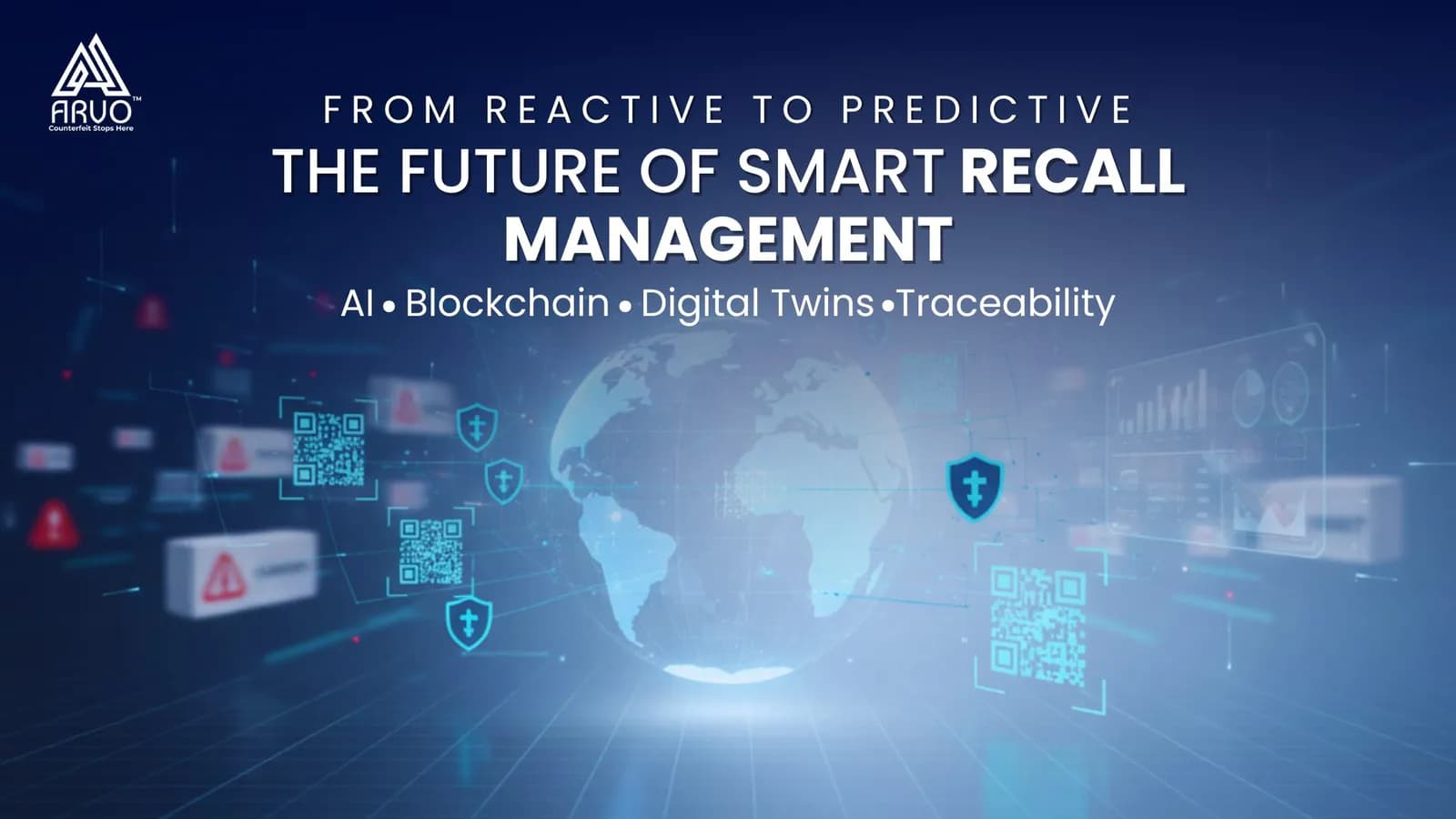
With the global pharma supply chains growing more intricate, AI-based traceability will be a regulatory requirement, rather than a competitive benefit. The new technologies, such as digital twins, predictive analytics, and smart contracts, are already expanding the scope of recall management, so that no defective product passes unnoticed or unaccounted.
The second frontier is interoperability – linking manufacturers, regulators, and healthcare providers to a single data structure. It is only at that point that the industry will reach the end goal, which is zero-error pharma ecosystems in which recalls are the exception, rather than the norm.
Conclusion
Pharma crises are unavoidable, but their effect does not necessarily have to be disastrous. By using AI-driven smart recall management and traceability, businesses will be able to turn chaos into control, making sure that each pill, vial, and vaccine is authentic and safe.
In a society where medicine is trusted above all, transparency is not merely a good practice, but it is a life-saving practice.
Questions answered in this article
- What is smart recall management?
- It is a recall approach that uses AI, blockchain-based traceability and IoT data to build end-to-end visibility. Instead of only tracking products, it predicts risks, helps prevent recalls and automates the response when one is needed.
- How does AI help prevent pharmaceutical recalls?
- Machine learning models analyse quality control data, environmental readings and manufacturing parameters in real time. When they see an anomaly, such as a small temperature or humidity change during transport, they warn the company early enough to act before a recall is required.
- How does blockchain traceability make pharma recalls smaller?
- Blockchain keeps an unchangeable record of every step a drug takes, from raw materials to distribution, with a distinct digital signature on each unit, often carried by a non-cloneable QR code or RFID tag. When a recall is needed, the affected batches are identified at once and only those are recalled.
- What happens in a smart recall system when a vaccine shipment overheats?
- IoT sensors on the shipment feed real-time data to an AI platform, which spots the cooling failure as it happens instead of on delivery. The blockchain records which batches were exposed, and automated notifications tell the distributor to isolate them.
Sources
- U.S. Food and Drug Administration, U.S. Food and Drug Administration